 how-to
Build a Slow Fashion Wardrobe on a Budget
Table of Contents
- What You'll Need Before You Start
- Step 1: Audit Your Current Closet and Define Your Personal Style
- Step 2: Understand the Benefits of Handmade Clothing
- Step 3: Build Your Capsule Wardrobe Essentials on a Budget
- Step 4: Master Secondhand Shopping and Thrifting Hacks
- Step 5: Learn to Care for and Repair Handmade Crochet and Macramé
- Common Mistakes to Avoid When Building a Slow Fashion Wardrobe
- Frequently Asked Questions
Last Updated: October 3, 2026
What You'll Need Before You Start
Building a slow fashion wardrobe budget means being honest about what you own, clear about your style, and committed to quality over quantity. At Stitched Creations, we believe slow fashion is about spending money differently, not more.
Before you begin, gather these essentials:
- A notebook or phone app to track your current clothing
- Honest assessment of your lifestyle and daily activities
- Access to secondhand shopping platforms and local thrift stores
- Basic sewing supplies (needle, thread, scissors) for simple repairs
- Measurements of your body for online shopping accuracy
Building a slow fashion wardrobe on a budget takes patience. You'll add pieces intentionally over months, not weeks.
Step 1: Audit Your Current Closet and Define Your Personal Style
Pull everything out and sort by category: tops, bottoms, dresses, outerwear. This audit reveals patterns you might not notice otherwise.
Ask yourself these questions:
- Which pieces do you actually wear?
- What colors make you feel confident?
- What fabrics feel good against your skin?
- Which items have lasted years without falling apart?
The pieces you actually wear are usually made from quality materials and fit your real life.
Define your personal style by looking at outfits you love. Notice the patterns: minimalist or textured? Neutral or colorful? Casual or polished?
Your personal style is the foundation of a slow fashion wardrobe on a budget. When you know what you actually like, you stop buying things that sit unworn.
Step 2: Understand the Benefits of Handmade Clothing
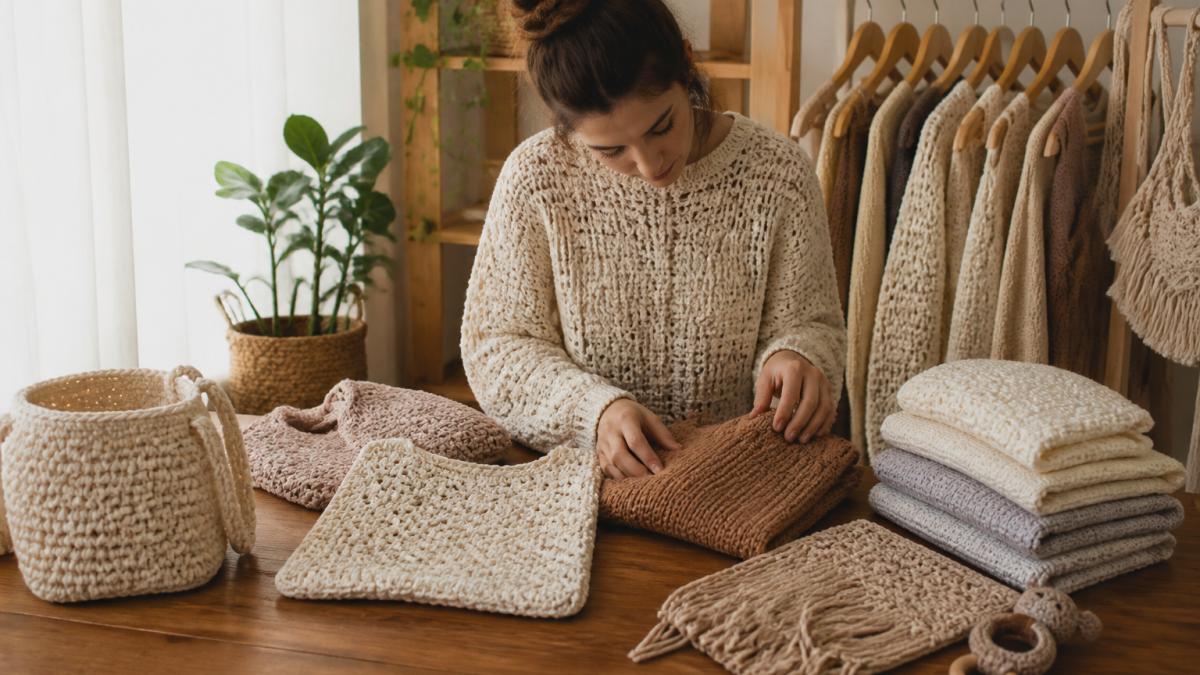
Handmade clothing offers intentionality. When you buy a handmade crochet sweater or macramé piece, you're investing in a garment made with care and designed to last.
Handmade pieces use higher-quality materials. A handmade crochet sweater outlasts synthetic fast fashion by years because the stitching is tighter and the maker has a reputation to protect.
These garments tell a story. Knowing someone made your sweater by hand changes how you feel wearing it and how you treat it.
Handmade clothing supports ethical production. When you buy from Stitched Creations, you support small businesses, fair wages, and sustainable practices instead of systems that exploit workers or dump textile waste.
Quality handmade pieces become cheaper over time. A handmade sweater worn 100 times costs far less per wear than a fast fashion sweater worn just a few times.
Step 3: Build Your Capsule Wardrobe Essentials on a Budget
A capsule wardrobe is a small collection of versatile pieces that work together. For a slow fashion wardrobe on a budget, aim for 30-40 pieces maximum.
Start with these essentials:
- 5-7 basic tops (white, black, neutral colors)
- 2-3 pairs of well-fitting jeans or neutral pants
- 2-3 dresses that work for multiple seasons
- 1-2 cardigans or lightweight layers
- 1 quality outerwear piece (jacket or coat)
- Basics in neutral colors that coordinate with everything
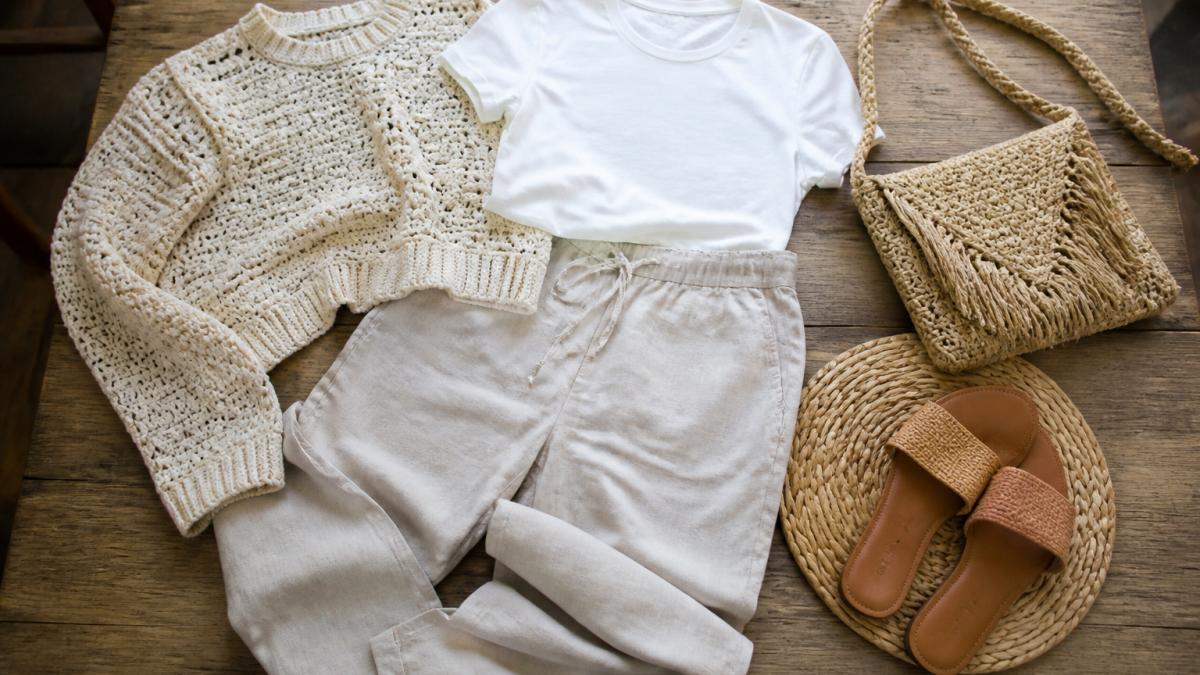
Build around a color palette of 2-3 neutral base colors and 2-3 accent colors you love. Every new piece should coordinate with at least three items already in your closet.
Handmade pieces from Stitched Creations work perfectly as capsule staples. A handmade crochet sweater in a neutral color becomes the foundation for dozens of outfits.
Buy secondhand basics first. New jeans and plain t-shirts are cheaper used. Save your budget for quality investment pieces, the handmade items that define your style and last for years.
Step 4: Master Secondhand Shopping and Thrifting Hacks
Secondhand shopping gives you access to quality pieces at a fraction of retail cost.
In-Person Thrifting Strategy
Shop with intention.
Check seams and fabric quality. Look for loose threads or pilling.
Inspect for damage strategically. Small stains might wash out. A missing button is easy to replace with basic sewing supplies.
Learn which brands hold up. When you find a quality brand at a thrift store, buy it.
Follow thrift stores on social media to catch quality pieces before they're picked over.
Online Secondhand Platforms: Search Tactics That Work
Online secondhand shopping lets you search by size, color, and style. Platform differences matter for budget shoppers.
Filter by size, color, and price range simultaneously. Sort by price (low to high) and condition.
Search by fabric content, not just style. Platforms with advanced filters let you search "100% cotton" or "wool blend" directly.
Different secondhand marketplaces serve different niches. Vintage platforms have better quality control but higher prices.
Check seller ratings and return policies. Ask questions about fit, fabric weight, and imperfections before buying.
Set price alerts on specific items. Prices drop as items sit, and new inventory arrives constantly. Patience pays off.
Cost-Per-Wear Math for Secondhand Pieces
Secondhand pieces often win on cost-per-wear because the entry price is so low.
Track what you actually wear from secondhand purchases.
Avoiding Secondhand Pitfalls
Don't buy damaged items hoping to repair them cheaply.
Don't assume secondhand = sustainable. Buying five pieces you'll wear twice each is just cheaper fast fashion.
Don't overlook condition descriptions. "Gently used" and "heavily worn" are different. Read descriptions carefully.
Step 5: Learn to Care for and Repair Handmade Crochet and Macramé
Handmade crochet and macramé pieces require gentle care. Proper care extends their life dramatically, and most repairs cost nothing, just a few minutes and basic supplies.
Gentle Washing and Drying
Wash by hand in cool water with mild detergent.
Dry flat on a clean towel. Never hang wet pieces; the weight will stretch them. Let air dry completely.
Fold handmade pieces instead of hanging them. Use cedar blocks or lavender sachets to deter moths. Keep them in a cool, dry place away from direct sunlight.
DIY Repair Tutorials: Budget-Friendly Fixes
Most common damage to handmade pieces is fixable at home with basic supplies. These repairs take minutes and extend your piece's life by years.
Fixing a Loose or Dropped Stitch
- Thread a crochet hook (same size as the original piece, if possible) with a length of matching yarn.
- Insert the hook through the dropped stitch from front to back.
- Pull the yarn loop through the dropped stitch, then through the loop on your hook. Repeat this motion up the column of dropped stitches until you reach the top.
- Secure the yarn end by weaving it through nearby stitches with a needle. Trim excess.
Repairing a Small Hole or Tear
Small holes (smaller than a dime) in crochet or macramé can be sewn closed.
- Thread a needle with yarn that matches the piece as closely as possible.
- Bring the needle up through one edge of the hole, then down through the opposite edge, creating small stitches around the perimeter.
- Work your way around the hole, pulling gently to close it. Don't pull too tight, or you'll pucker the fabric.
- Once the hole is closed, weave the needle through nearby stitches on the back side to secure the yarn end. Trim excess.
For larger tears, cut a small piece of matching fabric, position it behind the tear, and stitch around the edges.
Addressing Pilling and Fuzz
Pilling happens when fibers ball up on the surface, common in wool or wool blends in areas of friction.
- Use a fabric shaver or fine-tooth comb to gently remove pills.
- Move the shaver or comb lightly across the pilled area. Don't press hard, or you'll damage the underlying fabric.
- After removing pills, wash the piece gently and lay flat to dry.
Prevention is easier: avoid hot water and store pieces folded rather than hung.
Replacing a Missing Button or Snap
If a button or snap closure is missing or loose, replacement takes minutes.
- Thread a needle with thread that matches the piece.
- Bring the needle up through one buttonhole, then down through the opposite hole. Repeat 4-6 times to secure the button firmly.
- Wrap the thread around the stitches beneath the button (this creates a shank, allowing the button to move freely), then push the needle to the back and tie off.
- Trim excess thread.
Replacement buttons and snaps are available at fabric and craft stores.
Fixing a Stretched-Out Neckline or Cuff
If a sweater's neckline or cuffs have stretched, you can tighten them.
- Try the piece on and mark where you want the neckline or cuff to sit.
- Using a needle and matching thread, sew a line of small stitches just inside the stretched edge, pulling gently as you go to gather the fabric slightly.
- Try on again and adjust tightness. Once it fits, secure the thread and trim excess.
This works best on ribbed cuffs and necklines.
When to Seek Professional Help
For complex repairs on handmade pieces from Stitched Creations, contact the maker. Many offer detailed guidance.
When you repair a piece instead of replacing it, you're rejecting fast fashion's disposability and deepening your relationship with the garment.
Common Mistakes to Avoid When Building a Slow Fashion Wardrobe
The biggest mistake is buying too much too fast. Resist the urge to fill your closet immediately. Buy one quality piece, wear it for a month, then add the next.
Don't ignore fit. A handmade piece that doesn't fit won't get worn. Take accurate measurements and ask sellers about fit before buying online.
Avoid chasing trends. A slow fashion wardrobe budget focuses on timeless pieces that work year after year.
Don't mix quality levels recklessly. Build around quality pieces and fill gaps with secondhand basics.
Before buying anything new, make sure you're caring for what you have. A sweater that pilled because you washed it wrong is a reason to learn better care, not buy a replacement.
Building a slow fashion wardrobe on a budget is an act of resistance against throwaway culture. Start with what you have, define your style, and add quality pieces slowly. Handmade clothing from Stitched Creations becomes the foundation of a wardrobe that lasts. When you invest in pieces made with care, you're changing how you consume. Shop Stitched Creations and discover handmade pieces designed for a lifetime of wear.
Frequently Asked Questions
Why is slow fashion considered more cost-effective in the long run?
Slow fashion pieces, especially handmade items, are built to last for years rather than months. When you calculate cost-per-wear, a quality sweater worn 100 times over three years costs far less per wearing than a fast fashion item worn 10 times. Handmade pieces from makers like Stitched Creations use durable construction and natural fibers that improve with age, reducing your need to constantly replace worn-out items.
How do I identify high-quality, eco-friendly materials when building a slow fashion wardrobe?
Look for natural fibers like organic cotton, linen, and hemp, which are biodegradable and often produced with fewer chemicals. Check labels for certifications or maker transparency about sourcing. Handmade items often use premium materials because makers invest in quality that reflects their craftsmanship. Ask sellers about their fabric choices and production methods, ethical makers are typically happy to share this information.
What is the difference between a capsule wardrobe and a slow fashion wardrobe?
A capsule wardrobe focuses on a smaller number of versatile, coordinating pieces that work together. A slow fashion wardrobe emphasizes quality, durability, and ethical production alongside that simplicity. You can have both by choosing capsule pieces made from sustainable materials and handcrafted with care. This approach reduces waste while ensuring each item you own serves multiple outfits and lasts for years.
How can I start an ethical wardrobe on a limited budget?
Begin with secondhand shopping to find quality pieces at lower prices while reducing textile waste. Invest in a few handmade staples like a quality crochet sweater or handwoven accessories that anchor your wardrobe. Focus on natural fibers and neutral colors that mix and match. Build slowly over time rather than buying everything at once, and prioritize makers who are transparent about their materials and labor practices.