 How-to
How to Declutter Your Home With Minimalist Decor: A Step-by-Step Guide
Last Updated: November 5, 2026
Quick Summary
The easiest way to create minimalist decor is to declutter one room at a time, clearing out what you don't use or love before adding back a few meaningful pieces. Start with a small space, sort items into Keep, Donate, and Discard, and give everything you keep a designated home. Limit decor to a few statement pieces to let each one stand out.
- Gather Keep, Donate, and Discard bins before you start sorting.
- Spend 20 to 30 minutes a day on one room until it is finished.
- Keep a few statement pieces rather than many small ones.
- Take donations out of the house within one week.
- Review your home's decor and surfaces once a week to stay clear.
Table of Contents
- Why Minimalist Decor Starts With Decluttering
- Before You Start: Gather Your Tools and Set a Goal
- How to Slowly Declutter Your Home, One Room at a Time
- Styling Minimalist Decor on Any Budget or Rental Space
- Minimalist Declutter Before and After: What Changes
- Your Minimalist Home Checklist for Ongoing Maintenance
- Keeping a Minimalist Home With Kids and Pets
- Your Next Step: Start With One Surface Today
- Frequently Asked Questions
Decluttering a home is hard, and most people give up after one drawer. The good news is that a minimalist home does not come from throwing everything out in one weekend. It comes from keeping only what you use, what you love, and what has a clear place to live. Stitched Creations, a woman-owned studio that makes small-batch crochet and macramé pieces, believes the best decor is the decor you can see clearly. This guide walks you through a simple, slow method to clear your space and style it with a few meaningful pieces.
Why Minimalist Decor Starts With Decluttering
Minimalist decor is less about buying the right things and more about removing the wrong ones. You cannot style a shelf that is already full of mismatched objects. Clear the space first, then add back only what earns its spot.
Here is the core idea:
- Fewer objects on surfaces make each piece stand out.
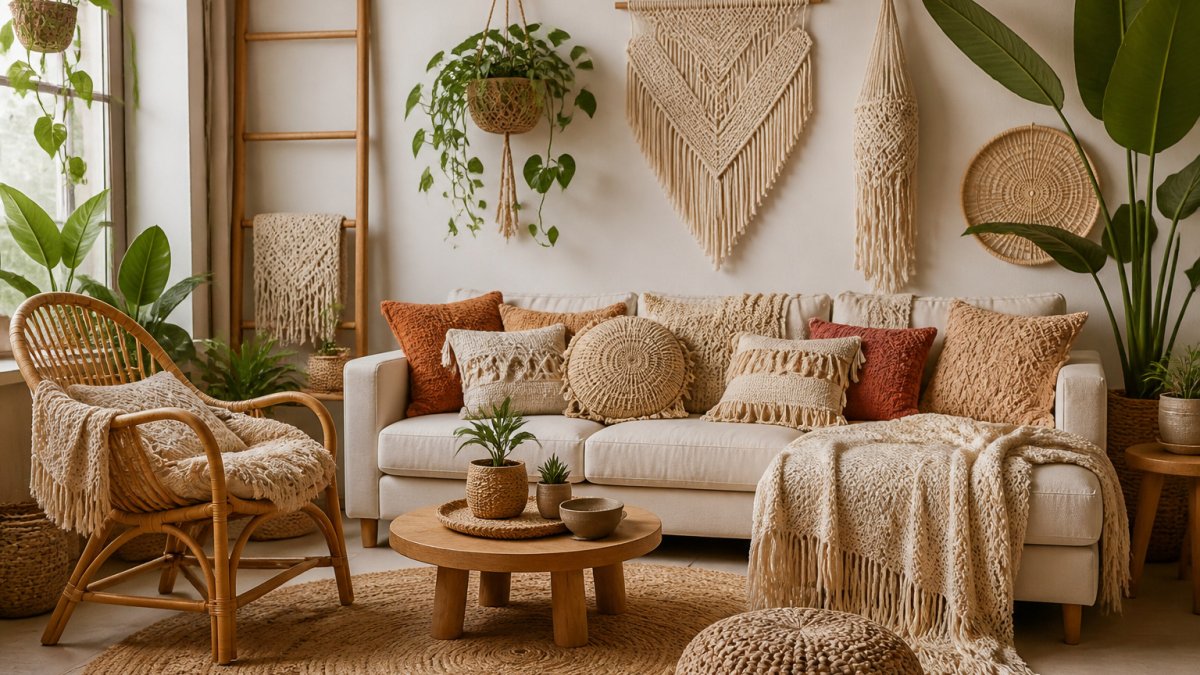
- Clear walls let a single handmade wall hanging feel intentional.
- Open floors make rooms feel calm and easy to move through.
Decluttering often makes people want to buy less. That is a good sign. Your goal is a home with room to breathe, not a home with nothing in it.
Before You Start: Gather Your Tools and Set a Goal
You do not need fancy supplies. Gather a few basics before you touch a single drawer:
- Three boxes or bins labeled Keep, Donate, and Discard
- A roll of masking tape and a marker for labels
- A trash bag and a sturdy recycling bin
- A timer, so you work in short, focused blocks
Next, set one clear goal. Try something like "clear the coffee table and one shelf this week." Small goals build momentum. A big goal like "fix the whole house" often leads to burnout.
Watch out: do not start with the hardest room. Begin with a space that is easy to finish, such as a bathroom cabinet or a single drawer. Quick wins keep you going.
How to Slowly Declutter Your Home, One Room at a Time
Work one room at a time, and finish each room before you move on. Mixing rooms creates piles that never get sorted.
A simple weekly routine works well:
- Pick one room for the week.
- Spend 20 to 30 minutes per day on that room.
- Sort items into Keep, Donate, or Discard.
- Give every item you keep a designated home.
- Take donations out of the house right away so they do not creep back.
Create a drop zone near the entrance for everyday items like keys, mail, and bags. A small basket or tray keeps surfaces clear without forcing you to put things away every time.
Choosing Which Decor to Keep
This is where most people get stuck. Ask yourself these questions about each piece:
- Do I use or see this often?
- Does it make me feel calm or happy when I look at it?
- Does it fit the room's color and style?
- Would I buy it again today?
If the answer is no to most of these, let it go. Keep a few statement pieces rather than many small ones. One well-chosen handmade wall hanging often looks better than five tiny frames.
Handling Sentimental and Inherited Pieces
Sentimental items are the hardest part of any declutter. You do not have to get rid of them. Try this approach instead:
- Choose a small number to display, such as one or two.
- Store the rest in a labeled box, and set a date to revisit it.
- Take a photo of items you want to remember, then pass the physical object along to someone who will use it.
Letting go of an object does not mean letting go of the memory. The photo or story can stay with you.
Styling Minimalist Decor on Any Budget or Rental Space
Minimalist decor does not require a big budget or a permanent renovation. Renters can get the same clean look with a few smart choices:
- Use removable hooks or a tension rod to hang a lightweight wall piece.
- Group three items on a tray instead of spreading them across a table.
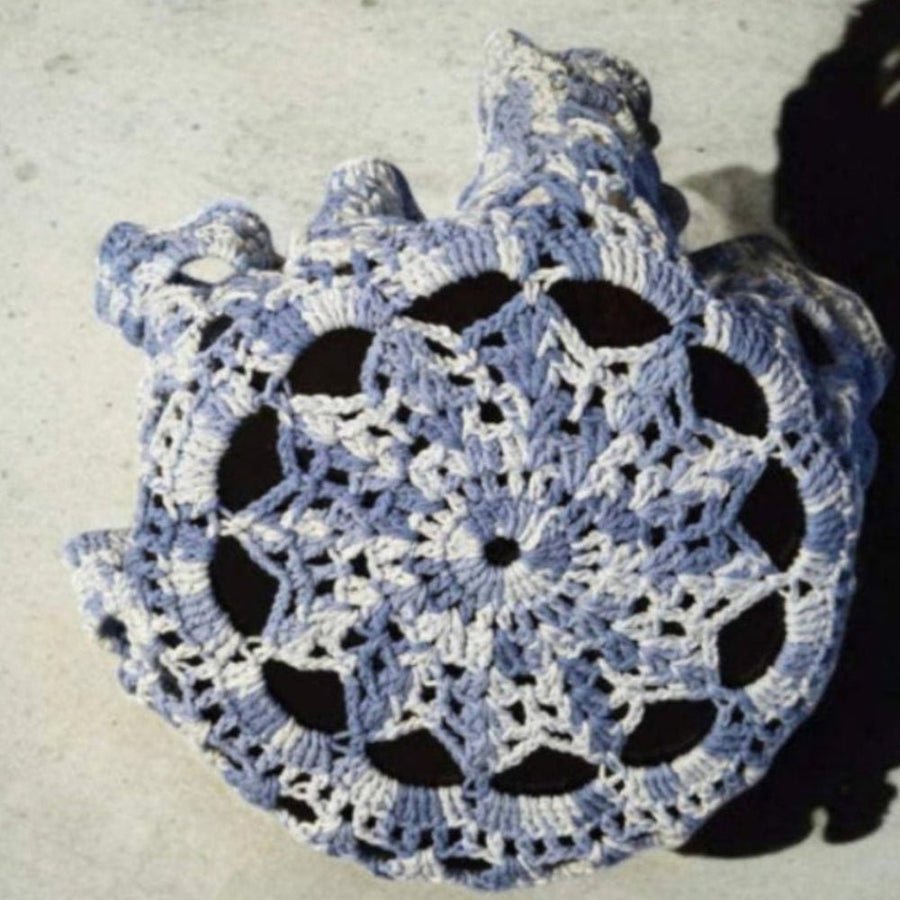
- Choose one or two textured pieces, such as a crochet throw or a macramé plant hanger, to add warmth without clutter.
Stick to a limited color palette, like cream, sage, and natural wood. This makes a small room feel organized even when it holds a few objects.
Minimalist Declutter Before and After: What Changes
A minimalist declutter changes more than how a room looks. Many people report these shifts:
- Surfaces stay clear for longer.
- Cleaning takes less time because there is less to move around.
- Morning routines feel easier without piles to dodge.
Take a photo of each room before you start and after you finish. The contrast is often more motivating than any checklist.
Your Minimalist Home Checklist for Ongoing Maintenance
Decluttering is not a one-time project. Use this simple checklist to keep your home clear:
- Each item has a designated home
- Drop zone is cleared at the end of each day
- One item goes out for every new item that comes in
- Donations leave the house within one week
- Surfaces are reset once a week
- Seasonal decor is reviewed twice a year
Check in on this list every Sunday for ten minutes. Small, regular habits prevent the big pile-ups that cause you to start over.
Keeping a Minimalist Home With Kids and Pets
Families and pet owners can still enjoy a minimalist home. Plan for the mess instead of fighting it:
- Give kids a labeled bin for toys they can access on their own.
- Rotate toys so only a small set is out at a time.
- Choose durable, washable decor that is easy to wipe clean.
- Keep pet supplies in a closed cabinet or a dedicated corner.
Involve everyone in the household. When each person knows where things go, the home stays clear without constant reminders.
Your Next Step: Start With One Surface Today
You do not have to finish this whole guide before you start. Pick one surface today, such as your coffee table or kitchen counter. Clear everything off, keep only what belongs there, and put it back with intention. Then add one piece of decor you love.
If you are looking for a simple, handmade accent to start with, browse our home decor collection for pieces that suit a minimalist space. Stitched Creations makes each item by hand in small batches, with eco-friendly materials and a focus on lasting comfort.
Frequently Asked Questions
How do you start decluttering when you feel overwhelmed?
Start with a single surface, such as one kitchen counter or one bookshelf, rather than the whole room. Set a timer for 15 minutes, pull out only the items on that surface, and sort them into keep, donate, and discard piles. Small, finished wins build momentum. Once that surface is clear, add decor back deliberately, choosing only pieces you use or genuinely like. Repeating this slowly across the home is what makes minimalist decorating sustainable instead of a one-weekend project.
How can you make a home look minimalist without getting rid of everything?
You do not need an empty house to get a minimalist look. Reduce visual clutter on surfaces first, then group remaining decor in odd-numbered sets, keep a consistent color palette, and give belongings designated homes in closed storage. A few well-chosen handmade pieces, such as a crocheted throw or a macramé wall hanging, add warmth without adding noise. Editing down to what you love usually changes the room more than removing everything would.
How do you decorate a minimalist home without making it feel empty?
Empty can feel cold, so balance open space with texture. Choose a few pieces with varied materials, like wool, cotton, and wood, rather than many small objects. Let one or two statement items anchor each room, and keep functional decor such as plants, lamps, and blankets in use. Handmade pieces from Stitched Creations, made with eco-friendly materials, can add warmth and a personal touch to a minimalist space.
How do you declutter your home slowly?
Work in short, scheduled sessions, such as one drawer or one shelf per day, instead of tackling a full room at once. Keep a donate box and a discard box nearby so decisions do not stall. Revisit the same spaces after a week to catch items you missed. A slow pace is easier to maintain and tends to produce lasting results.