 How-to
Why Handmade Goods Last Longer: The Craft Behind the Quality
Last Updated: November 5, 2026
Quick Summary
Handmade goods last longer because a person builds them one at a time, checking each row by eye and by hand and correcting tension as the piece grows. Small makers can also choose better yarn and fabric since they are not buying by the ton, and that time and material care is where the durability comes from.
- A maker can slow down on tricky spots like a curve or a corner, while machines race to hit a quota.
- We choose eco-friendly materials for our pieces, a deliberate choice rather than a decorative one.
- Flip a piece inside out and look for even, tight stitches with no loose tails.
- Wash crochet gently in cool water, never wring it, and lay it flat to dry.
- Uneven tension, cheap materials, no finishing, and rushed work can make handmade pieces fail faster than factory ones.
Table of Contents
- Handmade vs Mass-Produced Quality: What Changes on the Workbench
- Material Selection and Construction: The Real Reasons Handmade Goods Last Longer
- How to Choose Quality Handmade Goods Before You Buy
- How to Care for Handmade Crochet Items So They Keep Their Shape
- Handmade Baby Gifts for New Parents: Softness, Safety, and Longevity
- When Handmade Goods May Not Last Longer (And How to Spot It)
- Shop Small-Batch Crochet and Macramé from Stitched Creations
- Frequently Asked Questions
Handmade vs Mass-Produced Quality: What Changes on the Workbench
Handmade goods last longer for one plain reason: a person builds them one at a time and checks each piece as it goes. Machines race to hit a quota. Hands slow down to get it right. That single difference in pace shapes everything else, from the yarn to the seams.
At Stitched Creations, we work in small batches in our studio, and we feel this difference every day. We are a woman-owned studio making crochet and macramé pieces by hand.
Here is what most guides get wrong. They treat "handmade" as a mood or a style. It is not. Handmade is a production method, and that method changes how a piece is built.
A few things shift when a maker replaces a machine:
- Pace: a maker can slow down on tricky spots, like a curve or a corner
- Inspection: every row gets checked by eye and by hand
- Adjustment: tension gets corrected as the piece grows, not after
- Accountability: one person owns the result and signs off on it
Mass-produced goods are not evil. They are built to a price and a speed. That trade-off shows up later, when a seam gives out or a shape sags after a few washes. Handmade goods cost more time up front, and that time is where the durability comes from.
Material Selection and Construction: The Real Reasons Handmade Goods Last Longer
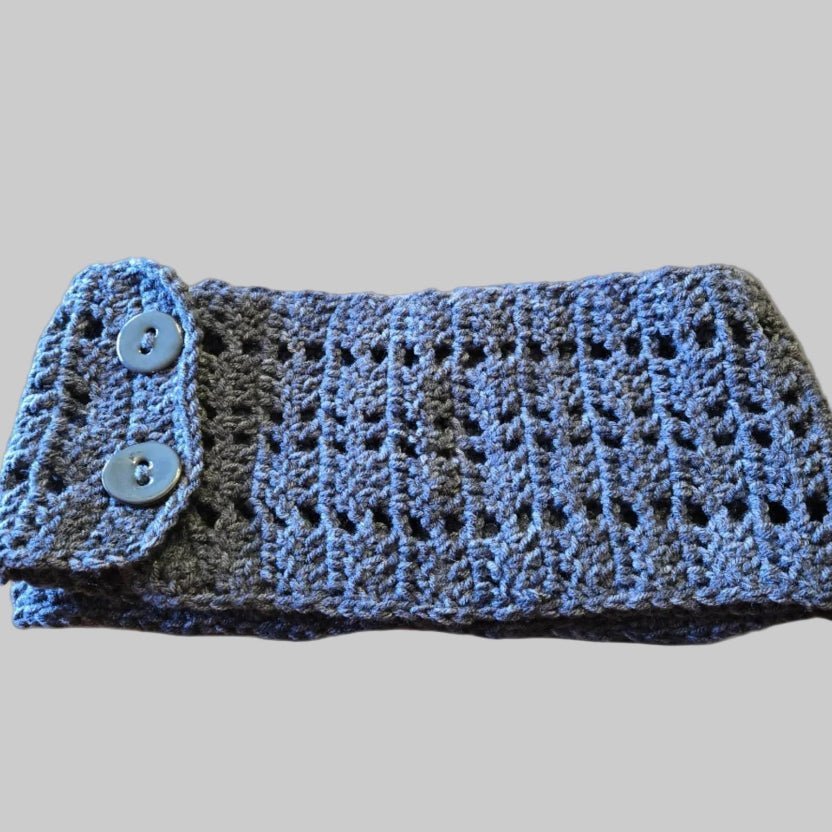
Material choice is the first reason handmade goods outlast factory pieces. A small maker can pick better yarn and fabric because they are not buying by the ton. We choose eco-friendly materials for our pieces, and that choice is deliberate, not decorative. For crochet and macramé, the fiber content matters as much as the stitch.
Construction is the second reason. A maker can take time over how a piece is built, and that care shows in the details.
Consider how this plays out in specific products. A handmade purse or tote, for example, is judged by how well its base and straps hold their form, and that is something you can inspect before you buy.
If you want the deeper story on why crochet in particular holds up, our article on why handmade crochet lasts longer walks through the construction details. The short version: a hand-built stitch locks in a way a machine loop often does not.
The small-batch approach behind handmade goods also matters here. For a closer look at how hand-built clothing stacks up against factory output, see our handmade vs mass produced clothing comparison.
Watch out: "handmade" does not guarantee better materials. A maker who uses cheap yarn or rushes the finishing can produce a piece that fails faster than a factory item. Ask what fiber and construction methods were used, and look for even tension and finished edges before you buy.
How to Choose Quality Handmade Goods Before You Buy
You can judge quality handmade goods before you spend a dollar. Look at the build, not the photos. A maker who cares about longevity will show you the details and answer hard questions.
Use this checklist before you buy:
- Flip it inside out. Even, tight stitches with no loose tails signal care.
- Check the stress points. Handles, straps, and corners should feel reinforced, not thin.
- Ask who made it. A real maker can name the materials and the method.
- Ask about care. Good makers know how their pieces should be washed and stored.
- Read the reviews for wear. Comments about durability over time beat comments about looks.
A common mistake is buying on style alone. A pretty piece with weak joins will not last, no matter how good it looks on day one.
Watch out: a listing that dodges questions about materials or care is a warning sign. If a seller cannot tell you what the piece is made of, they likely cannot tell you how long it will last either.
Here is the checklist we suggest running through before you spend a dollar on a handmade piece.
| Check | What to look for | Why it matters |
|---|---|---|
| Flip it inside out | Even, tight stitches with no loose tails | Signals care in the build |
| Check the stress points | Handles, straps, and corners feel reinforced | Thin spots fail first |
| Ask who made it | A real maker can name materials and method | Accountability for the result |
| Ask about care | Maker knows how pieces should be washed and stored | Proper care adds years |
| Read the reviews for wear | Comments about durability over time | Beats comments about looks |
How to Care for Handmade Crochet Items So They Keep Their Shape
Handmade crochet items keep their shape when you wash them gently and dry them flat. Rough heat and hanging are what ruin them, not normal use. A little care adds years to a piece. The right routine depends on the fiber and the item, so treat these as practical guidelines rather than one-size-fits-all rules.
Here are general care guidelines for crochet:
- Wash gently in cool water with a mild detergent
- Never wring or twist the piece to dry it
- Lay it flat to dry and reshape by hand
- Store away from damp to prevent musty smells and mildew
Different fibers need slightly different handling, so follow the care guidance for the specific piece you buy.
Heat is the enemy. A hot dryer can shrink or warp a crochet piece in one cycle. Skip it.
Watch out: storing crochet in a damp basement or a hot attic can cause mildew or fiber damage that shortens its life. Keep pieces clean, dry, and folded, and they will reward you with years of use.
Handmade Baby Gifts for New Parents: Softness, Safety, and Longevity
Handmade baby gifts for new parents can be a thoughtful choice, with softness and longevity among the qualities many people look for.
New parents care about what touches a baby's skin. We choose eco-friendly materials for our baby essentials.
Our customers have shared their experiences. Milli said she was "very happy with my purchase well made with wooden bottom." Barb was "happy with my headband purchase."
If you are shopping for a baby shower, start with a curated list. Our guide to the best handmade gifts for new parents lays out thoughtful options that hold up over time.
When Handmade Goods May Not Last Longer (And How to Spot It)
Handmade goods do not automatically last longer. A poorly made piece can fail faster than a factory one.
Here is when handmade can fall short:
- Uneven tension leaves weak spots that pull apart
- Cheap materials wear out fast, no matter how well they are stitched
- No finishing means raw edges that fray and unravel
- Rushed work from a maker chasing volume skips the checks that matter
So how do you spot it? Look for loose, wobbly stitches and thin spots at stress points. Ask about the maker's process. A good maker will talk about how they check each piece before it ships.
Value over time is the real test. A well-made piece costs more up front but needs fewer replacements. A cheap piece that falls apart in a season costs more in the long run, counting the replacements and the waste. Lifecycle cost, not sticker price, is the honest measure.
Shop Small-Batch Crochet and Macramé from Stitched Creations
You want pieces built to last, and that is what we aim to make. Stitched Creations is a woman-owned studio crafting premium, small-batch crochet and macramé goods. Our pieces are made with eco-friendly materials and a focus on lasting comfort.
Our collection covers:
- Apparel like cozy sweaters and handmade purses
- Home decor with a warm, handcrafted feel
- Baby essentials made with eco-friendly materials
- Gift sets for showers, birthdays, and new parents
We are proud of our 5.0 out of 5 stars from 9 reviews. Carolyn said her "wind spinner using on camper looks great." Sandra shared that her "therapy group loves these bee's when using play therapy."
If you are ready to bring warmth and style into your everyday life, explore our collection. Our handmade crochet pink baby gift box is a thoughtful choice for a newborn or baby shower.
Frequently Asked Questions
Why can handmade goods last longer than mass-produced products?
Handmade goods often last longer because a maker controls material selection, tension, and finishing stitch by stitch. Mass-produced items are built to a price and a speed target, so thinner yarns and looser stitching are common. The result is that a well-made crochet or macramé piece can stay in use for years with basic care, while a cheaper version may stretch or fray within a season.
How can you tell if a handmade item is well made?
Check the details: even stitch tension, no loose yarn tails, reinforced handles or straps, and a clean finish on the inside. Ask the maker about the fiber content and whether the piece is machine washable or hand wash only. Look for clear care instructions. A maker who answers material and construction questions directly is usually proud of the work, and that transparency is a strong signal of handmade vs mass-produced quality.
How do you care for handmade crochet and macramé items?
Hand wash crochet apparel and baby pieces in cool water with a mild detergent, then gently squeeze out water and lay flat to dry to keep the shape. Store folded rather than hung to prevent stretching. Always follow the care card that comes with the piece.
Are handmade baby gifts safe for newborns with sensitive skin?
Safety starts with material selection. Look for soft, breathable natural fibers and ask the maker how the yarn was sourced and whether dyes are low-impact. Handmade baby gifts for new parents should avoid loose buttons, long ties, or small detachable parts. Wash the item before first use with a baby-safe detergent. Stitched Creations uses eco-friendly materials.
The next time you buy, ask one question: will this last, or will I replace it soon? We build every piece so the answer is the first one. Get started with Stitched Creations and bring home small-batch crochet and macramé made to last.