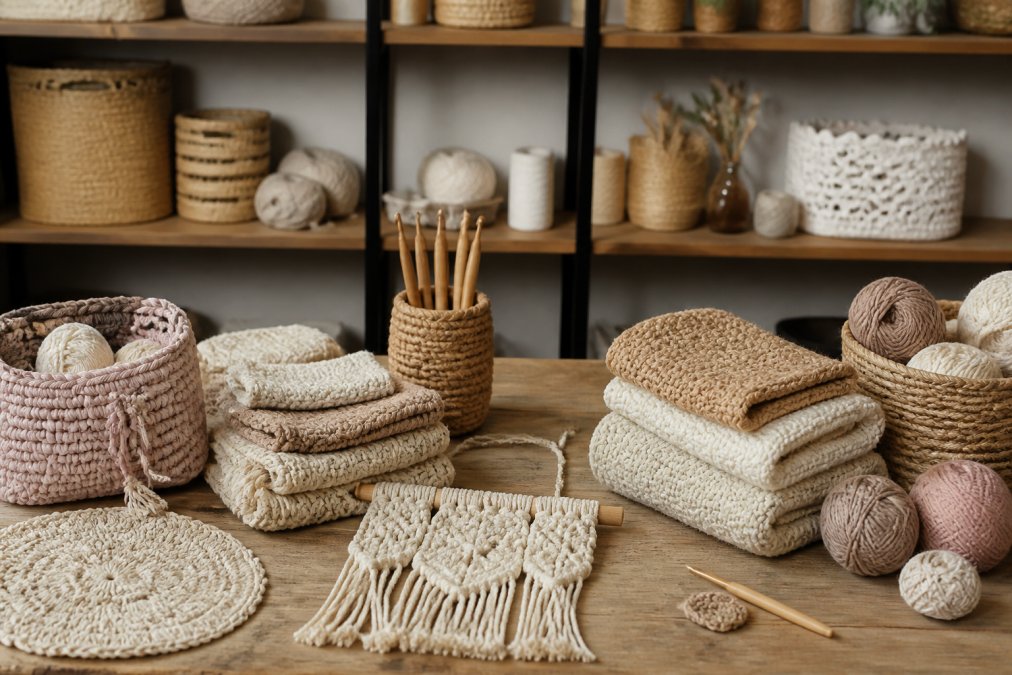
 comparison
Bohemia Handmade vs Small Batch Studios: 2026 Guide
Table of Contents
- Bohemia Handmade vs Small Batch Studios: The Core Difference
- How Each Model Defines Handmade
- Production Scale and What It Means for You
- The Benefits of Handmade Goods: Craft, Durability, and Character
- Why Choose Small Batch Production Over Mass-Market Alternatives
- Best Handmade Gifts for New Parents: What to Look For
- Supply Chain Transparency and Ethical Manufacturing
- Cost, Value, and Environmental Impact: A Consumer's Guide
- Conclusion
- Frequently Asked Questions
Last Updated: September 14, 2026
Bohemia Handmade vs Small Batch Studios: The Core Difference
The clearest way to understand bohemia handmade vs small batch studios is this: bohemia handmade describes a style and a feeling, while small batch studios describes how and where a product is actually made. This guide from Stitched Creations breaks down that difference so you can shop with confidence.
Bohemia handmade refers to goods made by hand in a relaxed, artistic, free-spirited style, often using natural materials and loose, organic shapes. Small batch studios are workshops that produce goods in limited runs, checking each piece by hand before it ships.
The two ideas overlap, but they are not the same thing. A piece can be boho in look and still be mass-produced overseas. A small batch studio can make clean, modern pieces with no boho styling at all. Knowing which one you are actually buying changes what you get, how long it lasts, and how your money supports real makers.
That distinction matters more now than ever. Shoppers increasingly want to know who made their goods and how, and studios that can answer that question clearly are winning trust. Below, we walk through how each model defines handmade, what it means for quality and price, and how to spot the real thing.
How Each Model Defines Handmade
Bohemia handmade usually means one maker, one piece at a time, with an emphasis on artistic intent over repeatability. Small batch studios keep the handwork but add structure: a set design, a fixed materials list, and a quality check on every item.
The practical difference shows up in consistency. In a pure boho handmade setup, two pieces of the same design may look noticeably different. Some buyers love that. Others want the same fit and finish every time. A small batch studio aims for the second outcome without giving up the human touch.
- Bohemia handmade: free-form design, one-of-a-kind results, often sold at markets or through social media
- Small batch studios: repeatable designs made in limited runs, usually sold through an online shop
- Both: real handwork, natural materials, and a maker you can often name
If you have ever bought handmade crochet and received a piece with uneven tension or odd sizing, you have felt the gap between the two.
Production Scale and What It Means for You
Production scale decides how fast you get your order, how much choice you have, and how much waste the maker creates. Small batch studios cap how many pieces they make at once, which keeps quality high but limits inventory. Bohemia handmade sellers often work to order, so timelines stretch further.
A common pattern in small batch studios is a fixed production calendar. A studio might open a limited run of a specific design, make only that design for a set window, then move to the next. That approach keeps materials predictable and lets the maker inspect every piece before it ships. Bohemia handmade sellers often work the opposite way: they take a request, source materials for that single piece, and finish it on their own schedule.
The practical result is a different kind of wait. With a small batch studio, you are usually waiting for a production slot to open. With a bohemia handmade maker, you are waiting for that one person to finish your piece among everything else on their table. Neither is wrong, but they feel different when you are shopping for a gift with a deadline.
| Model | Typical Run Size | Lead Time | Consistency |
|---|---|---|---|
| Bohemia handmade | One piece at a time | Longer, varies by maker | Artistic, often unique |
| Small batch studio | Limited runs | Shorter, more predictable | Checked piece by piece |
| Mass-produced | Thousands per run | Fast, off the shelf | Uniform, machine-set |
At Stitched Creations, our small-batch crochet and macramé goods, cozy sweaters, handmade purses, baby essentials, and gift sets, are made in limited runs so we can check every seam and finish by hand. If you need a piece by a certain date, ask about our current production window before you order. We will tell you exactly where your piece sits in the queue.
The Benefits of Handmade Goods: Craft, Durability, and Character
The benefits of handmade goods come down to three things: how they are made, how long they last, and the character that mass production cannot copy. A hand-finished piece carries small variations that signal real work, not a mold.
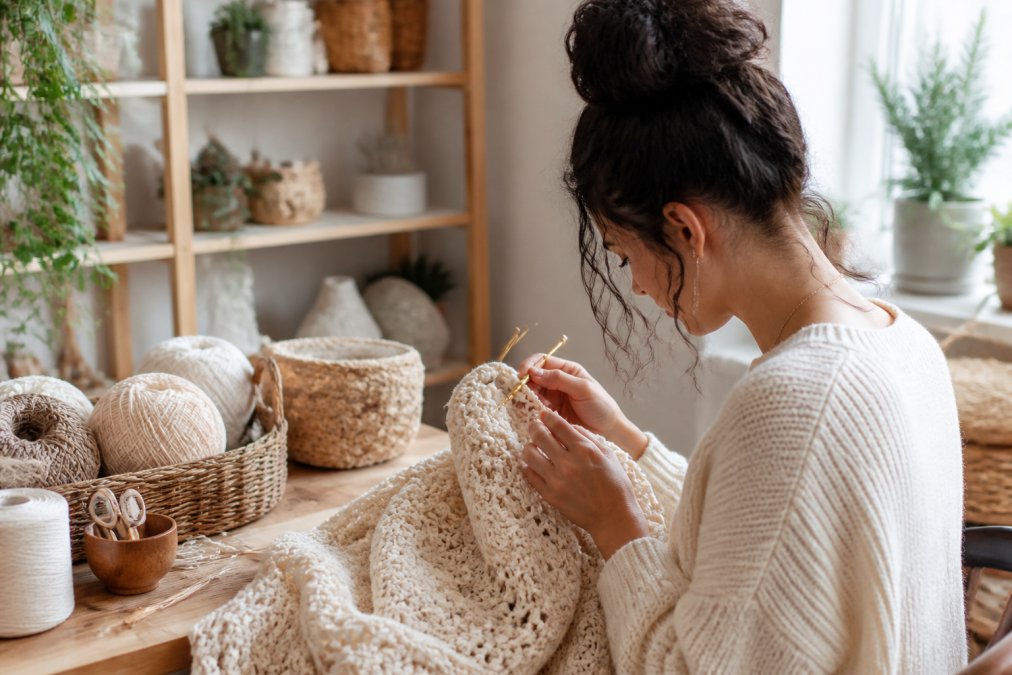
Material integrity is the first thing to check. Eco-friendly fibers, solid wood bases, and properly finished edges hold up far better than thin, synthetic shortcuts. When a maker chooses materials with care, the finished item keeps its shape and color through years of use.
Durability is the second. Hand-knotted and hand-poured goods can be repaired rather than replaced, which is why many buyers treat them as long-term purchases instead of seasonal ones. Character is the third. No two hand-finished pieces are identical, and that is the point.
Why Choose Small Batch Production Over Mass-Market Alternatives
Choosing small batch production means trading volume for control. Limited runs let a studio inspect every seam, tension, and finish before shipping, which is hard to do when thousands of units move down a line.
Quality assurance at a human scale looks different from a factory checklist. A maker holds the piece, checks the tension, measures the sizing, and decides whether it meets the standard.
There is also a market differentiation story here. Small studios compete on care, not price, and that shows in how they treat customers. At Stitched Creations, every piece is checked by hand before it leaves the studio, and our customers notice. Barb put it simply: "Happy with my headband purchase." Milli agreed: "Very happy with my purchase, well made with wooden bottom."
Best Handmade Gifts for New Parents: What to Look For
The best handmade gifts for new parents are soft, safe, easy to clean, and made from materials you can name. New parents are tired and cautious, so a gift that is gentle on skin and simple to care for wins every time.
Start with the material. Look for eco-friendly fibers and finishes that are safe for newborns, and ask how the maker sources them. Then check the construction: tight, even stitching, no loose threads, and edges that will survive repeated washing.
- Baby blankets and loveys: soft, washable, and used daily
- Crochet baby essentials: gentle on sensitive skin when the fiber is right
- Personalized gift sets: a name or color choice makes it feel made for that child
- Home pieces for the nursery: macramé wall hangings and baskets add warmth without clutter
A thoughtful handmade gift also lasts past the newborn stage, which is why parents keep them. If you are shopping for a baby shower, a small batch studio can often customize the color or add a name, something a mass-market shelf cannot do.
Supply Chain Transparency and Ethical Manufacturing
Supply chain transparency means a studio can tell you where its materials came from and who made the finished piece. Ethical manufacturing is the result: fair work, honest materials, and no hidden links in the chain.
This is where many handmade sellers stay vague, and it is the fastest way to tell a real studio from a reseller. Ask two questions: where does your yarn or wood come from, and who makes the pieces? Clear answers signal a maker who knows their own process.
Local sourcing plays a role too. Studios that buy close to home reduce shipping distance and keep money in their community, and many shoppers now weigh that alongside price. As FTC guidance on environmental marketing claims makes clear, eco-friendly claims should be specific and backed up, not vague slogans. A studio that names its materials and its methods is doing exactly that.
Stitched Creations is a woman-owned studio, and we are happy to talk about how our pieces are made, because that transparency is part of what you are paying for.
Cost, Value, and Environmental Impact: A Consumer's Guide
Handmade goods usually cost more up front, and the honest question is whether that cost pays off over time.
Start with labor. A small batch studio pays a maker for the hours it takes to source, cut, stitch, finish, and inspect a piece. A bohemia handmade seller does the same, often alone. Mass production spreads those hours across thousands of units and replaces skilled hands with machine steps. That is the single biggest reason a handmade sweater or macramé wall hanging costs more than a shelf item.
Materials are the second factor. Eco-friendly fibers, solid wood bases, and properly finished edges cost more than thin synthetics, but they also hold up longer. A well-made crochet piece that lasts several seasons often costs less per year of use than a cheap item replaced twice. Repairability adds to that value, since a small fix can extend a piece's life instead of sending it to a landfill.
Environmental impact works the same way. Limited production creates less unsold inventory, and natural, biodegradable fibers break down far better than synthetics at end of life. The EPA's material and waste guidance explains how textile waste accumulates in landfills, which is why buying fewer, better pieces is a real reduction, not a slogan. If you want to compare options on sustainability, Green America's sustainable shopping resources offers practical checklists for evaluating makers.
Weigh three things before you buy:
- Price per use: divide cost by how often you will actually use it
- Repairability: can it be fixed, or is it disposable?
- Source clarity: does the maker explain materials and methods?
At Stitched Creations, every piece is checked by hand before it leaves the studio, and we are happy to talk about how our small-batch crochet and macramé goods are made. That transparency is part of what you are paying for.
Conclusion
The choice between bohemia handmade and small batch studios comes down to what you value most: one-of-a-kind artistic character, or consistent quality you can count on every order. Both support real makers, and both beat mass production on durability and care.
If you want pieces that are checked by hand, made with eco-friendly materials, and built to last, Stitched Creations is here for you. Our small-batch crochet and macramé goods include cozy sweaters, handmade purses, baby essentials, and gift sets, each crafted with hands and heart. Shop now with Stitched Creations and bring warmth and style to your everyday life.
Frequently Asked Questions
What is the difference between handmade and small-batch production?
Handmade means each item is made by hand, often one at a time, with no two pieces exactly alike. Small-batch production still uses hands-on techniques but makes a limited run of the same design, usually 10 to 50 units. The difference shows up in consistency: handmade pieces have unique variations, while small-batch items keep design consistency across the run. Both avoid mass-produced assembly lines, and both tend to use better materials than factory goods.
Why should I choose small-batch handmade goods over mass-produced items?
Small-batch handmade goods go through more hands-on quality checks, use materials chosen for durability rather than lowest cost, and support local artisans. Mass-produced items are built for speed and volume, which often means thinner materials and less attention to finishing. When you choose small-batch production, you get pieces that hold up longer, carry unique character, and come from a supply chain you can actually trace back to a real person.
Are small-batch handmade goods more sustainable?
They usually are, for a few reasons. Small-batch studios make only what they can sell, so there is less deadstock and waste. Many use local sourcing and eco-friendly materials, which cuts shipping emissions. They also build items to last, so you replace them less often. That said, sustainability depends on the studio. Look for clear information about material sourcing, production volume, and whether the maker shares where their supplies come from.
What makes a good handmade gift for new parents?
New parents value gifts that are safe, useful, and built to last. Look for baby essentials made with hypoallergenic, eco-friendly fibers, since newborns have sensitive skin. Crochet and macramé items like soft blankets, booties, or nursery decor work well because they are gentle, washable, and often become keepsakes. A small-batch studio can also customize colors or add a name, which turns a practical gift into something personal the family keeps for years.
How do I know a small-batch studio is actually ethical and not just using it as marketing?
Ask direct questions. A transparent studio will tell you where materials come from, how long a piece takes to make, and who does the work. Look for details about the maker, the studio location, and the production process. If a brand cannot answer basic questions about its supply chain, that is a signal. Real small-batch studios are proud of their process and share it openly, often with photos and stories from the workbench.