 Comparison
Is Handmade Clothing Actually More Sustainable?
Table of Contents
- What Makes Clothing Truly Sustainable
- Handmade vs. Fast Fashion: Where the Differences Matter
- Sustainable Fabrics for Clothing and Their Real Impact
- The Production Reality: Scale, Labor, and Efficiency
- How to Make Clothes Last Longer and Reduce Waste
- Handmade Clothing and Ethical Manufacturing
- The Honest Answer: When Handmade Wins
- Frequently Asked Questions
Last Updated: October 15, 2026
What Makes Clothing Truly Sustainable
Sustainability in clothing means more than using organic cotton or recycling materials. It's about the entire lifecycle: where fibers come from, how they're processed, who makes the garment, how long it lasts, and what happens when you're done wearing it.
When we talk about sustainable clothing, most people think of environmental impact alone. But true sustainability also includes labor conditions, resource consumption, and whether a piece actually gets worn enough to justify its creation. A handmade sweater made from recycled polyester by someone paid fairly is more sustainable than a mass-produced organic cotton shirt that falls apart after three wears and ends up in a landfill.
At Stitched Creations, we focus on pieces designed to last. Our small-batch handmade crochet and macramé items use eco-friendly materials and are built for durability. But we're also honest: handmade isn't automatically more sustainable than factory-made. The answer depends on specific choices about materials, production methods, and garment longevity.
Handmade vs. Fast Fashion: Where the Differences Matter
Most articles stop at the idea that handmade is slower and fast fashion is faster. That contrast is true but incomplete. A more useful question is: where do the differences actually change the environmental math across a garment's whole life?
Start with production scale. Fast fashion factories produce thousands of identical pieces per week. They buy fabric in bulk, run specialized cutting and sewing lines, and spread energy and shipping costs across many units. A single handmaker cannot match that per-unit efficiency on paper. One maker working 20 hours on a sweater uses lighting, heating, and tool energy over those 20 hours.
But scale cuts both ways. Factories also create overproduction. Unsold inventory gets discounted, shipped again, or destroyed. Handmade and small-batch production, like the crochet and macramé pieces we make at Stitched Creations, is usually made to order or in very small runs. That reduces the chance of unsold stock and the waste that comes with it.
Material waste is another split. Factory cutting creates fabric scraps. Some of that scrap is recycled, but much of it is not. A handmaker working from yarn or cord often wastes almost nothing because the material goes directly into the piece.
Labor conditions differ too. Factory workers may earn low wages in difficult conditions, and the people who cut, sew, and finish a garment are often anonymous. Independent makers usually control their own hours, workspace, and pricing. When you buy handmade, you often know who made the item and can ask about materials and methods. That transparency is harder to find in mass production.
The real difference comes down to durability and intention. Fast fashion encourages replacement. Handmade encourages keeping. If a handmade piece lasts five years and a fast fashion piece lasts five months, the handmade version wins on sustainability even if the initial production was less efficient.
So the honest comparison is not handmade versus factory-made in the abstract. It is a specific garment, made from specific materials, worn a specific number of times, and cared for in a specific way. Handmade has an edge when it reduces overproduction, uses low-waste construction, and results in a piece you keep.
Sustainable Fabrics for Clothing and Their Real Impact
Material choice matters more than production method. Organic cotton, recycled polyester, linen, hemp, and wool all claim sustainability credentials. But each has trade-offs.
Organic cotton uses no synthetic pesticides, which protects soil and water. However, it still requires significant water to grow. Recycled polyester diverts plastic from landfills but requires energy-intensive processing to break down and re-spin fibers. Natural fibers like linen and hemp grow with minimal inputs but may be processed with harsh chemicals.
No single fabric is perfectly sustainable. What matters is matching the material to the garment's intended lifespan. Use durable, renewable materials for pieces you'll wear for years. For seasonal items, recycled materials make sense because you're giving waste a second life.
Stitched Creations uses eco-friendly materials in our handmade pieces. Our focus is on fabrics that feel good, perform well, and last through repeated wear and washing. A high-quality yarn in a well-constructed garment means you're not replacing it constantly, which is the most sustainable choice of all.
The Production Reality: Scale, Labor, and Efficiency
Scale changes everything about sustainability. Factories benefit from economies of scale: they buy materials in bulk at lower prices, use specialized equipment, and spread fixed costs across thousands of units. A single handmaker can't match that efficiency on paper.
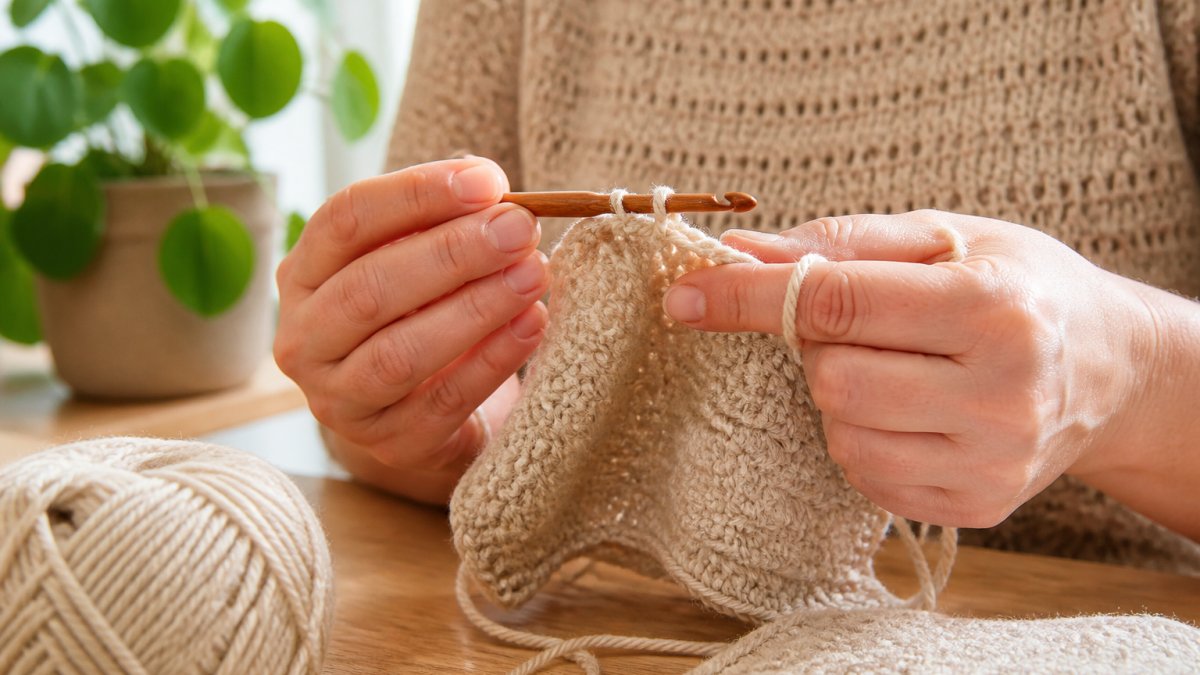
But handmade production has a hidden advantage: minimal waste. A factory cutting patterns from fabric creates scraps. A handmaker using yarn or macramé cord wastes almost nothing. The yarn goes directly into the piece.
Labor conditions matter too. Factory workers often earn poverty wages in difficult conditions. Handmakers, especially independent artisans, control their own working environment and income. When you buy handmade, you're typically supporting someone who chose this work and set their own price.
The efficiency question isn't really about speed. It's about whether the final product justifies its production. A sweater that takes 40 hours to make but lasts 10 years is more efficient than a sweater made in 2 hours that lasts 6 months. The handmade piece delivers more value per unit of time and resources invested.
How to Make Clothes Last Longer and Reduce Waste
The most sustainable clothing is the piece you already own. Extending garment lifespan often matters more than any material choice or production method. A study from the United Nations Environment Programme found that doubling the lifespan of clothing can reduce its environmental impact by about 44 percent. That is a bigger lever than switching fabrics alone.
Proper care extends life significantly:
- Wash in cold water to prevent fading and fiber breakdown
- Use gentle detergent designed for delicate fabrics
- Air dry when possible instead of using high heat
- Store folded rather than hanging heavy pieces
- Repair small issues immediately before they spread
Handmade garments, especially crochet and knit pieces, respond well to care. A small hole can be mended. Loose stitches can be tightened. These repairs extend life by years. At Stitched Creations, we design our handmade crochet and macramé items with repairability in mind, so a snag or loose stitch does not mean the end of the piece.
Consider wearing patterns too. Rotating between several pieces instead of wearing one constantly distributes wear evenly. A sweater worn twice weekly lasts longer than one worn five times weekly.
Washing frequency matters as well. Many garments do not need to be washed after every wear. Air them out, spot clean, and wash only when needed. This reduces fiber shedding, energy use, and wear on the fabric.
When a piece does wear out, consider options beyond the trash. Donate it if it's still wearable. If it's damaged beyond repair, check if your community has textile recycling. Some pieces can be unraveled and the yarn reused for new projects. That last option is especially practical for handmade items made from yarn or cord.
Finally, think about what you buy next. A made-to-order or handmade piece that you will actually wear for years is often a better choice than a cheaper item that replaces something you already own. The goal is not to buy more sustainable clothing. It is to buy less clothing and keep what you have in use longer.
Handmade Clothing and Ethical Manufacturing
Ethical manufacturing means knowing who made your clothes and under what conditions. With handmade items, you often know the maker directly or can easily find out about them.
Most handmakers are independent artisans who control their working hours, environment, and pricing. They're not competing in a race to the bottom on wages. They're not producing under pressure to meet impossible quotas.
Transparency matters. The best handmade makers share their process, their materials, and their story. You should know where the yarn comes from, how long a piece takes to make, and why it costs what it does.
At Stitched Creations, we're a woman-owned studio focused on quality over quantity. Every piece is made with intention. We choose eco-friendly materials because they align with our values and create better products. Our customers know who made their items and why we made them the way we did.
This transparency is harder to find in mass production. Factory workers remain anonymous. Material sourcing is often obscured. You can't ask a factory why they chose a particular dye or construction method.
The Honest Answer: When Handmade Wins
Is handmade clothing actually more sustainable? The answer is: sometimes, but not always. It depends on specific choices about materials, durability, and production conditions.
Handmade wins when:
- The piece is made from quality materials that last for years
- The maker is paid fairly and works in safe conditions
- The garment is designed to be repaired and maintained
- You actually wear it regularly instead of letting it sit unused
Handmade loses when:
- It's made from low-quality materials that deteriorate quickly
- The production process uses significant energy or water
- You buy it as a novelty and wear it once
- The price point encourages you to buy more pieces than you need
The sustainability question isn't really about handmade versus factory-made. It's about intentional consumption. Buy fewer pieces. Choose quality over quantity. Select items made from materials that align with your values. Support makers who care about their work and their impact.
Handmade clothing from makers like Stitched Creations represents this intentional approach. We make pieces designed to last, using eco-friendly materials, with transparent practices. But we're also honest: a well-made factory piece that you wear for a decade is more sustainable than a handmade item you wear once and discard.
The most sustainable clothing choice is the one you'll actually keep wearing.
The sustainability of your wardrobe comes down to the choices you make as a consumer. Handmade pieces from thoughtful makers offer durability, transparency, and ethical production that mass-market clothing often can't match. Stitched Creations creates small-batch handmade crochet and macramé items using eco-friendly materials, designed for lasting comfort and style. When you choose pieces built to last, made with care, and created by makers who stand behind their work, you're making a choice that benefits both you and the environment. Explore our collection and discover pieces worth keeping for years.
Frequently Asked Questions
Is handmade clothing more sustainable than fast fashion?
Handmade clothing can be more sustainable, but it depends on materials and production practices. Fast fashion relies on mass production, synthetic fabrics, and rapid disposal cycles that generate enormous waste. Handmade pieces, especially those made with organic cotton or recycled materials, typically last longer and use fewer resources per garment. However, handmade items made with unsustainable fabrics or shipped long distances may not offer environmental advantages. The key difference is durability and intentional design, handmade clothing from makers like Stitched Creations is built to last, which reduces the need for frequent replacement.
What sustainable fabrics work best for handmade clothing?
Organic cotton, recycled polyester, linen, and hemp are among the best choices for sustainable handmade apparel. Organic cotton requires no synthetic pesticides and uses less water than conventional cotton. Recycled polyester diverts plastic from landfills while maintaining durability. Linen and hemp are renewable resources that biodegrade naturally at end-of-life. When choosing handmade pieces, look for makers who specify their material sourcing. Stitched Creations uses eco-friendly materials thoughtfully selected for both comfort and environmental responsibility, ensuring your garments align with your values.
How can I make handmade clothes last longer?
Proper care extends the life of any garment significantly. Hand wash delicate handmade pieces in cool water with mild soap, and air dry to prevent shrinkage and fiber damage. Store items flat or folded rather than on hangers to avoid stretching. Repair small issues like loose seams or dropped stitches promptly, handmade pieces are often easier to repair than factory-made clothing. Rotate your wardrobe to avoid overuse of single items. The durability of handmade clothing means these care practices pay off; well-maintained pieces can last for years or even decades, far outlasting mass-produced alternatives.
Do handmade clothes actually reduce environmental impact compared to buying secondhand?
Secondhand clothing has the lowest environmental impact since it extends a garment's existing lifespan without new production. However, handmade clothing wins on durability and long-term sustainability. A high-quality handmade piece worn for 10+ years generates less waste per wear than a secondhand fast-fashion item worn for 2-3 years. The ideal approach combines both: buy quality handmade items designed to last, care for them properly, and when ready to pass them on, sell or donate them secondhand. This maximizes the garment's total lifespan and minimizes overall environmental footprint.