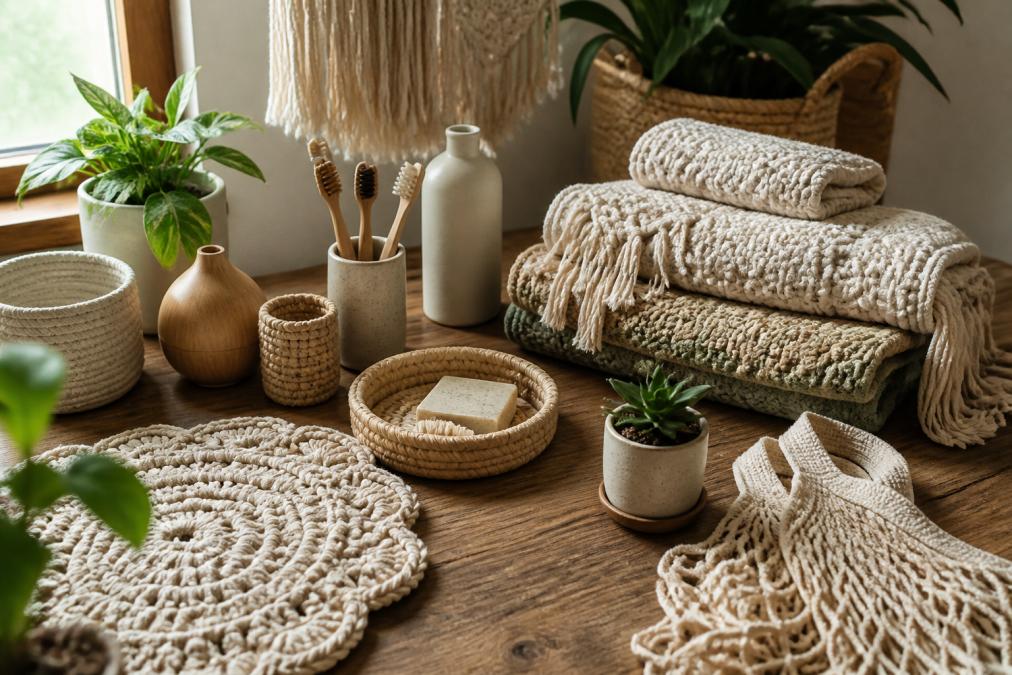
 listicle
Best Sustainable Home Decor Brands: 2026 Guide
Table of Contents
- Quick Comparison: Best Sustainable Home Decor Brands
- Stitched Creations: Small-Batch Handmade Crochet and Macramé
- Uncommon Goods: Curated Artisan Marketplace
- GOODEE: Vetted Ethical Home Decor
- Quince: Affordable Sustainable Textiles
- VivaTerra: Reclaimed and Recycled Decor
- Coyuchi: Organic and Non-Toxic Home Textiles
- How to Style Sustainable Home Decor in Any Space
- Frequently Asked Questions
Last Updated: September 21, 2026
Quick Comparison: Best Sustainable Home Decor Brands
Sustainable home decor is furniture, textiles, and accessories made in ways that reduce harm to people and the planet, from the materials used to the working conditions behind them. This guide from Stitched Creations covers the best sustainable home decor brands in 2026 and how to tell real commitment from marketing talk.
Below, we break down brands worth your money, plus a simple framework for spotting greenwashing before you check out.
| Brand | Starting Price | Best For | Standout Strength |
|---|---|---|---|
| Stitched Creations | Contact for pricing | Handmade crochet and macramé | Small-batch, woman-owned studio |
| Uncommon Goods | $20 | Unique artisan gifts | Curated independent makers |
| GOODEE | $50 | Design-led ethical decor | Rigorous brand vetting |
| Quince | $30 | Affordable organic textiles | Direct-to-consumer pricing |
| VivaTerra | $40 | Reclaimed and recycled pieces | Recycled materials focus |
| Coyuchi | $48 | Non-toxic bedding and bath | Organic certification |
| MagicLinen | $35 | Durable linen home textiles | Plastic-free packaging |
Stitched Creations: Small-Batch Handmade Crochet and Macramé
Stitched Creations is a woman-owned studio in Wisconsin that makes premium, small-batch handmade crochet and macramé goods. Every piece is created with eco-friendly materials and built for lasting comfort, which is exactly what slow decor should mean.
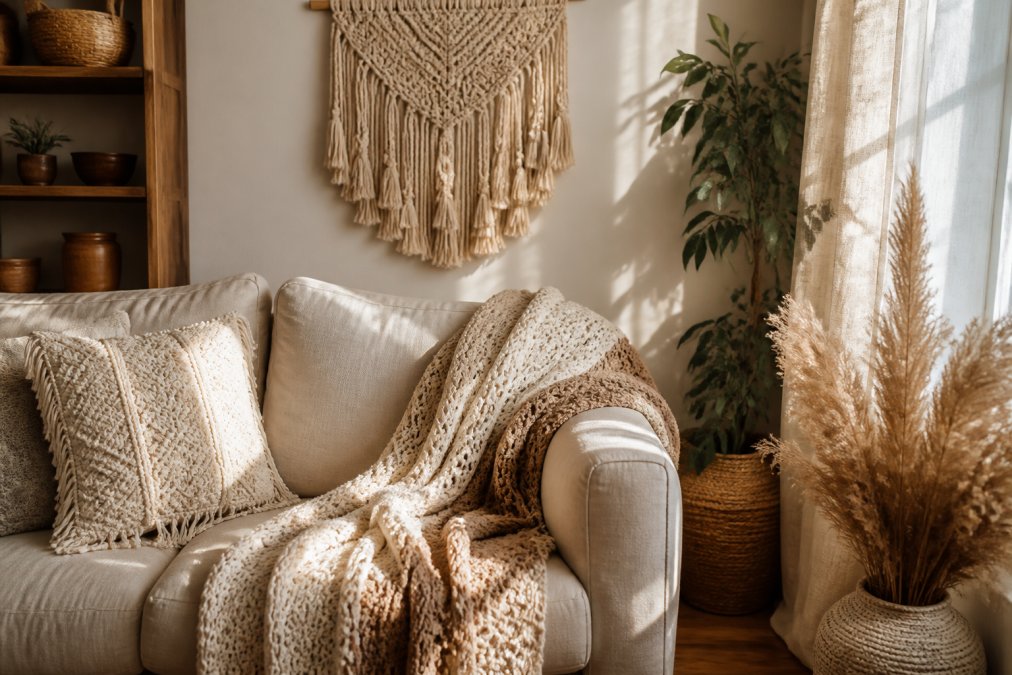
The collection spans home decor, apparel, baby essentials, and gift sets, so you can dress a nursery, a reading nook, or a gift basket from one maker. Because production is small-batch, nothing sits in a warehouse for months.
What we like: Handmade construction, eco-friendly materials, and a 5.0 out of 5 star rating across nine reviews. Customers like Barb and Milli mention quality and craftsmanship directly.
Where it falls short: Handmade means limited capacity. If you need a large order fast, plan ahead.
Want a nursery sign or a custom gift? Shop Now and see what the studio can make for you.
Uncommon Goods: Curated Artisan Marketplace
Uncommon Goods runs an online marketplace of artisan-made and sustainable home goods from independent creators. It is a strong pick if you want a gift that does not look like everything else on the shelf.
The catalog leans on recycled and upcycled decor, and the company publishes sourcing information for its artisan partners. Categories run from kitchen and bath to wall art, so you can furnish a whole room.
What we like: Genuine variety and a clear social and environmental mission.
Where it falls short: Inventory moves with artisan availability, so a favorite piece may sell out and not return.
GOODEE: Vetted Ethical Home Decor
GOODEE is a curated marketplace that vets every partner brand for ethical production and environmental responsibility. If transparency matters more to you than price, start here.
Each listing includes impact details, and the aesthetic runs toward timeless design rather than trend cycles. That combination is rare in home decor.
What we like: High standards for fair trade and sustainability, plus a refined look.
Where it falls short: The price point sits above mass-market retailers, and that is the tradeoff for verified sourcing.
Quince: Affordable Sustainable Textiles
Quince sells home essentials made from organic cotton, linen, and sustainable wool by cutting out retail markups. It is an entry point if budget is a main constraint.
The direct-to-consumer model keeps prices low without hiding the supply chain. Expect bedding, throws, and table linens rather than statement furniture.
What we like: Competitive pricing on genuinely sustainable textiles.
Where it falls short: Limited physical retail, so you buy sight unseen.
VivaTerra: Reclaimed and Recycled Decor
VivaTerra focuses on eco-friendly decor, furniture, and kitchenware made from reclaimed wood, recycled glass, and natural materials. This is a pick for rustic, nature-inspired rooms where the material story is part of the look.
The reclaimed wood story matters because it keeps material out of landfills and gives each piece a grain pattern nothing else can copy.
How to judge reclaimed and recycled claims
- Ask what the material was reclaimed from. A named source (barn wood, factory beams, pallet wood) is more credible than a generic claim.
- Look for solid reclaimed wood rather than a reclaimed veneer over particleboard.
- Check the finish. Low-VOC or natural oil finishes are better for indoor air quality than heavy synthetic lacquers.
- Confirm the piece can be repaired. Solid reclaimed wood can be sanded and refinished; composite materials usually cannot.
For a handmade piece that complements reclaimed decor, Shop Now and see what the studio can make for you.
Coyuchi: Organic and Non-Toxic Home Textiles
Coyuchi makes organic, non-toxic bedding and bath linens and runs a take-back program for worn textiles. If you care about what touches your skin, this is a benchmark.
What we like: Industry-leading certifications and excellent longevity.
How to Style Sustainable Home Decor in Any Space
Styling sustainable home decor comes down to layering natural textures, choosing durable pieces, and buying fewer things you actually love. The difference between a room that looks sustainable and one that actually is comes down to how you evaluate each piece before it comes home. Start with one handmade focal point, then build neutral basics around it.
A simple approach that works in almost any room:
- Pick one artisan piece as the anchor, like a macramé wall hanging or a woven basket. A single handmade piece from Stitched Creations can set the tone for the whole room without a full redesign.
- Add organic textiles in one or two neutral tones for warmth. Look for organic cotton, linen, or wool, and check for a certification like GOTS or OEKO-TEX rather than trusting a hangtag that just says "natural."
- Choose reclaimed or solid wood furniture over veneer that peels. Solid wood can be sanded and refinished; veneer usually cannot.
- Keep the palette tight so handmade pieces read as intentional.
- Repair before you replace, and re-home what you no longer use.
A simple framework for judging a piece before you buy
Most shoppers default to the label on the tag. A more reliable approach is to ask four questions in order:
- What is it made of? Look for a named material (organic cotton, linen, reclaimed wood, recycled glass) rather than a vague word like "eco" or "green."
- Who made it and where? A maker who can name the studio, the region, or the process is easier to trust than one who cannot.
- Will it last? Check the construction: solid joinery, reinforced seams, and materials that age well. A repairable piece beats a cheap one every time.
- What happens when you are done with it? Can it be recycled, refinished, donated, or returned through a take-back program?
Repair and care extend the life of what you already own
Maintenance is the most overlooked part of sustainable decor. A few habits make a real difference:
- Wash organic cotton and linen in cold water and air-dry when possible to slow fiber breakdown.
- Rotate cushions and throws so wear is even.
- Tighten hardware on furniture once a year and touch up scratches with matching wax or stain.
- Store wool and natural fiber textiles clean and dry to prevent pests.
- Mend small tears on handmade pieces early, before they spread.
Source close to home when you can
Want a handmade anchor piece for your space? Shop Now and see what the studio can make for you.
Frequently Asked Questions
What criteria define a sustainable home decor brand?
A sustainable home decor brand prioritizes eco-friendly materials like organic cotton, reclaimed wood, or natural fibers. It also focuses on ethical sourcing, fair trade practices, and supply chain transparency. Look for brands that minimize waste through small-batch or circular production, use non-toxic finishes, and design durable pieces meant to last. Certifications like GOTS or Fair Trade Certified can help verify these claims.
How can I identify truly eco-friendly home decor?
Start by checking for specific certifications like GOTS for organic textiles or FSC for wood. Look for detailed material lists and transparent sourcing information on the brand's website. Avoid vague terms like 'natural' without proof. Brands that explain their manufacturing processes, use low-VOC finishes, and offer recycling or repair programs are more likely to be genuinely eco-friendly. When in doubt, contact the brand directly with questions.
Are sustainable home decor brands more expensive?
Sustainable home decor often costs more upfront because ethical materials and fair labor practices are not cheap. However, the higher quality and durability mean you replace items less often, saving money over time. Brands like Quince offer accessible pricing by cutting out retail markups, while others like Stitched Creations provide handmade, small-batch pieces that are investments in craftsmanship. Pricing varies widely, so check each brand's website for current rates.
Why choose handmade over mass-produced home decor?
Handmade home decor offers unique character and supports artisan livelihoods. Small-batch production reduces waste and often uses eco-friendly materials. Each piece is crafted with care, ensuring better quality control and durability. Handmade items also make thoughtful gifts and add a personal touch to your space. Brands like Stitched Creations specialize in handmade crochet and macramé, creating one-of-a-kind pieces that mass production cannot replicate.
The hardest part of buying sustainable home decor is not finding options, it is trusting them. Certification, transparent sourcing, and small-batch production are the signals that separate real commitment from a green label. Stitched Creations builds handmade crochet and macramé pieces in small batches using eco-friendly materials, with custom options and durable construction meant to last. Shop Now and bring a handcrafted piece into your home.