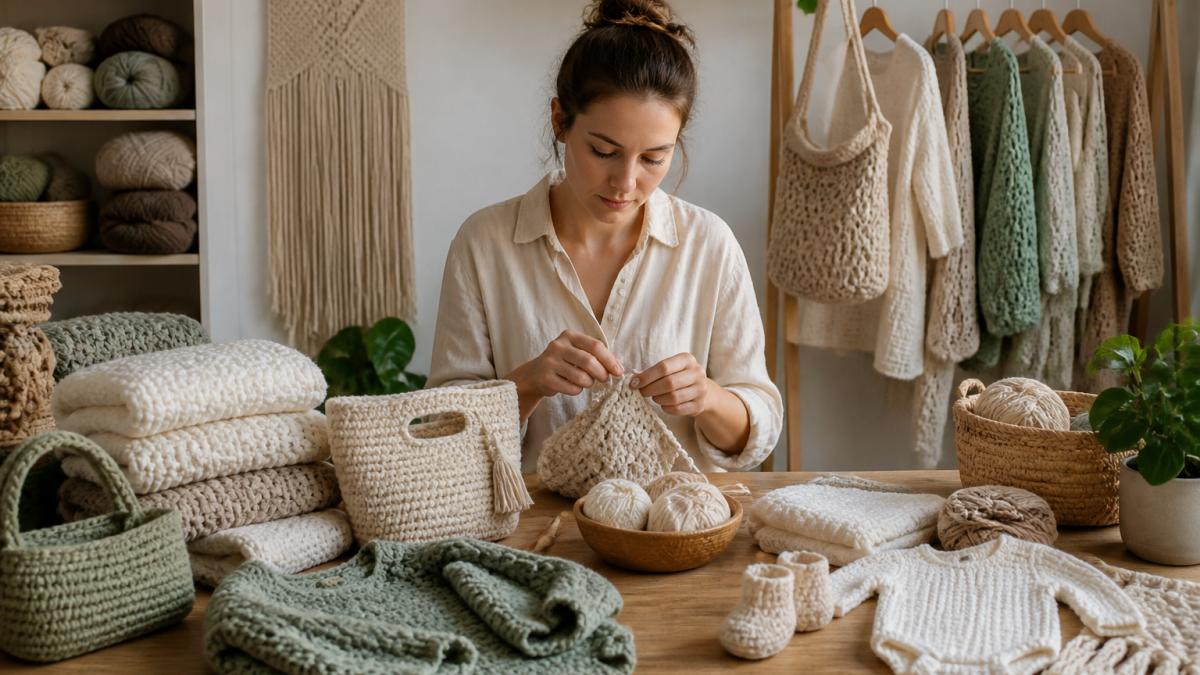
 ultimate-guide
What Is Artisanal Fashion and Why It Matters in 2026
Table of Contents
- What Is Artisanal Fashion? A Clear Definition
- How Artisanal Fashion Differs from Mass-Produced Clothing
- The Benefits of Handmade Clothing for Your Wardrobe
- Why Choose Small-Batch Apparel Over Fast Fashion
- Sustainable Fashion Practices Behind Artisanal Pieces
- How to Identify Authentic Artisanal Products
- Caring for Artisanal Pieces and Styling Them in a Modern Wardrobe
- Frequently Asked Questions
Last Updated: October 1, 2026
What Is Artisanal Fashion? A Clear Definition
Artisanal fashion is clothing and accessories made by hand, in small batches, by skilled makers who control the quality of every stitch. At Stitched Creations, we define it simply: a garment becomes artisanal when a person, not a machine line, decides how it is cut, joined, and finished. This guide explains what artisanal fashion is and why it matters in 2026, from materials to care.
That definition matters because the label gets applied loosely. A factory can print "handmade" on a tag. The real distinction sits in production methods, batch size, and who profits from the work.
How Artisanal Fashion Differs from Mass-Produced Clothing
Mass-produced clothing is designed for volume; artisanal fashion is designed for longevity. The difference shows up first in scale.
Production Methods and Scale
A mass-produced sweater is cut from stacked fabric layers, sewn on an assembly line, and finished in minutes. Handmade clothing moves at a different pace. A single crocheted piece can take hours of continuous work by one person.
| Factor | Mass-Produced | Artisan-Made |
|---|---|---|
| Batch size | Thousands per run | One to a few dozen |
| Construction | Machine assembly line | Hand-stitched or hand-crocheted |
| Materials | Often synthetic blends | Natural fibers, small-batch sourcing |
| Maker | Anonymous, distributed | Named artisan, often the owner |
| Lifespan | One to two seasons | Years with proper care |
That table is the whole argument in miniature. Scale drives every other trade-off, from fiber choice to how quickly a piece reaches your door.
The Benefits of Handmade Clothing for Your Wardrobe
Handmade clothing offers better fit, stronger construction, and a longer useful life than most fast-fashion equivalents. The benefits compound over time: a well-made piece costs more upfront but replaces itself less often.
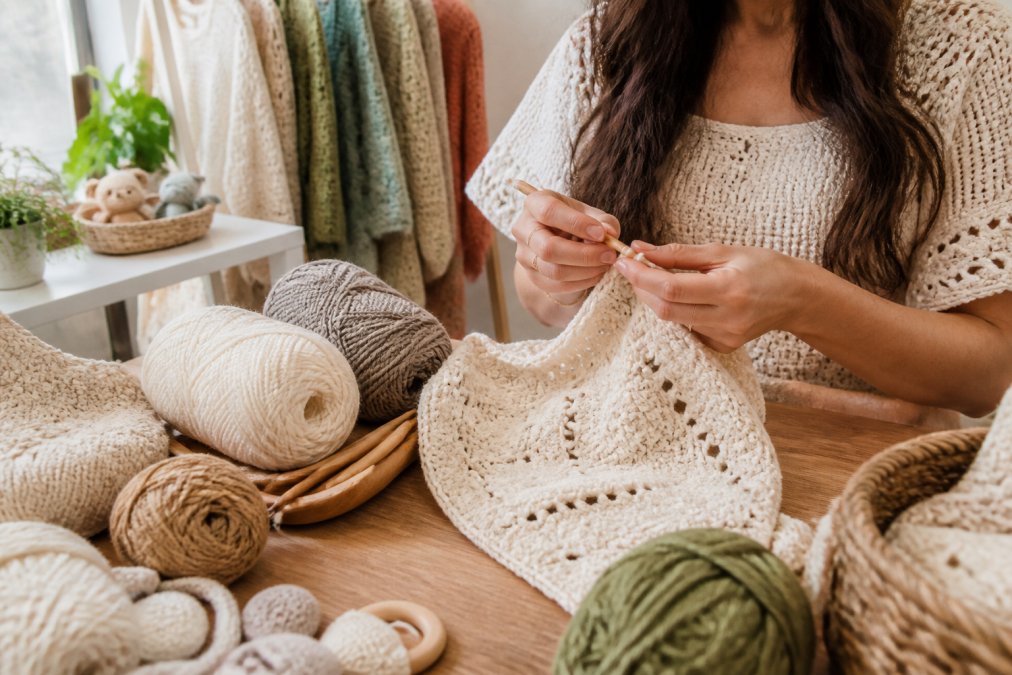
A common mistake is judging handmade pieces by the same standard as mass-market sizing. Crochet and macramé have natural stretch, so a maker's measurements matter more than a generic size label. Ask for exact dimensions before ordering.
Durability is the second benefit. Hand-finished seams and quality natural fibers hold up to repeated wear and washing far better than thin synthetic knits, provided you care for them correctly.
Why Choose Small-Batch Apparel Over Fast Fashion
Small-batch apparel reduces waste at the source, but the more interesting story is economic. When a maker produces to order or in limited runs, the money that would have gone to warehousing, markdowns, and unsold inventory instead stays with the person doing the work. That shift is why small-batch production tends to pay skilled labor better than volume production does.
Fast fashion overproduces because it cannot predict demand. A mass retailer may order thousands of units of a single style, discount what does not sell, and write off the rest. A small-batch maker produces to order or in a stated limited run, so fewer unsold garments end up discounted or discarded. The environmental benefit is real, but the labor benefit is the one buyers feel most directly.
What Fair Pay Actually Looks Like in Small-Batch Production
Ethical production means the person who made your garment earned a fair wage for skilled work. In practice, that looks different from a factory floor. A small-batch maker often sets their own prices, sources their own materials, and keeps a larger share of the final sale than an assembly-line worker does. That does not make the work easy or the margins wide, but it does mean the maker has more control over how the piece is made and what it costs to make it.
A common pattern among small-batch makers is to price a piece by adding up materials, hours of labor, and a modest margin, rather than by matching a competitor's retail price. That is why two handmade sweaters of similar appearance can differ in price: one may use a finer natural fiber, or take twice as long to finish.
The Trade-Offs Buyers Should Expect
Choosing small-batch apparel over fast fashion means accepting a few trade-offs. Lead times are longer because pieces are made to order. Sizing is less standardized because natural fibers and hand construction behave differently than factory knits. Restocks are not guaranteed because a maker may only produce a style once. For buyers who value a unique, well-made piece over immediate availability, those trade-offs are the point.
Sustainable Fashion Practices Behind Artisanal Pieces
Sustainable fashion practices in this space center on material choice and waste reduction. Artisans typically work with natural fibers, produce in small quantities, and design pieces meant to be repaired rather than replaced.
Materials and Environmental Impact
Natural fibers such as cotton, wool, and linen biodegrade far more readily than synthetic polyester, which sheds microplastics with every wash. Small-batch production also cuts the environmental footprint tied to overstock and landfill waste.
How to Identify Authentic Artisanal Products
Authentic craftsmanship leaves evidence, but the evidence is not always obvious from a product photo. Most articles tell you to look for even stitches and finished seams. That is a start, but it does not help you verify a claim you cannot see. A more useful approach is to treat authenticity as something you can check at three levels: the object, the maker, and the supply chain.
Level 1: The Object
Start with construction. Even stitches, finished seams, and no loose thread ends are baseline signals. Beyond that, look for signs that a person made decisions a machine would not. Slight variations between two pieces of the same style are normal in hand construction. A maker who can explain why a seam is placed a certain way, or why a fiber was chosen for a specific piece, is showing you the reasoning behind the work.
Level 2: The Maker
Ask questions a factory cannot answer. A genuine small-batch maker can usually tell you:
- Can the maker name the fiber and where it was sourced?
- Is the piece made to order or in a stated limited run?
- Does the maker share finished measurements and care instructions?
- Are there real customer reviews with photos?
- Can the piece be repaired or customized later?
Level 3: The Supply Chain
A simple framework for verifying artisan claims:
| Question | Weak Answer | Strong Answer |
|---|---|---|
| Where did the fiber come from? | "Natural materials" | Names a specific mill, farm, or region |
| Who made the piece? | "Our team" | Names the artisan or describes the studio |
| How long did it take? | "A while" | Gives an approximate number of hours |
| Can it be repaired? | "Probably" | Describes the repair process or offers it |
| Is it a limited run? | "Small batch" | States the run size or that it is made to order |
At Stitched Creations, every piece is made to order or in a small run, and we share finished measurements, fiber details, and care instructions with each order so you can verify the work before it arrives.
Caring for Artisanal Pieces and Styling Them in a Modern Wardrobe
Artisanal pieces last longest when washed cold, by hand or on a delicate cycle, and dried flat. Store crochet and macramé folded rather than hung, since hanging stretches natural fibers over time.
Frequently Asked Questions
What is artisanal fashion in simple terms?
Artisanal fashion refers to clothing and accessories made by hand in small quantities, often by individual makers or small studios. Unlike mass-produced garments, each piece is crafted with attention to detail, using traditional skills and quality materials. At Stitched Creations, for example, every crochet and macramé item is made in small batches in a Wisconsin studio, giving each piece a unique character that factory-made clothing cannot match.
How does artisanal fashion differ from fast fashion?
Fast fashion relies on rapid, large-scale production with synthetic materials and low labor costs. Artisanal fashion moves at a slower pace, prioritizing craftsmanship, natural fibers, and ethical production. The result is clothing that lasts longer, supports artisan communities, and carries a smaller environmental footprint. When you choose handmade clothing, you are investing in quality over quantity and reducing waste from disposable trends.
Why is artisanal fashion considered more sustainable?
Artisanal fashion uses sustainable fashion practices like small-batch production, natural fibers, and minimal waste. Because items are made to order or in limited runs, there is less overproduction and fewer discarded garments. Many artisans also use eco-friendly materials and traditional techniques that avoid harsh chemicals. This approach reduces the environmental footprint of your wardrobe while supporting fair trade and labor rights.
How can I tell if a product is genuinely handmade?
Look for slight variations in stitching, natural fiber content, and transparency about who made the item. Authentic artisanal brands often share their production methods, show photos of the makers, and provide details about materials. Stitched Creations, for instance, is a woman-owned studio that describes its small-batch process and uses eco-friendly materials. If a brand cannot explain its supply chain or shows identical, machine-perfect items, it may not be truly artisanal.
Artisanal fashion asks you to buy less and choose better, and that shift starts with where you shop. Stitched Creations is a woman-owned studio crafting small-batch crochet and macramé apparel, baby essentials, and gift sets from eco-friendly materials, with durable construction and a 5.0-star rating from verified customers. Browse the collection and find a piece made to last. Shop Now.