 listicle
5 Best Eco-Friendly Clothing Brands for Women in 2026
Table of Contents
- Quick Comparison: 5 Best Eco-Friendly Clothing Brands for Women
- Stitched Creations: Small-Batch Handmade Crochet and Macramé
- Patagonia: Recycled Materials and Lifetime Repairs
- Pact: Affordable Organic Cotton Basics
- Eileen Fisher: Circular Fashion and Timeless Design
- Girlfriend Collective: Inclusive Sizing and Recycled Activewear
- The Benefits of Handmade Clothing: Quality, Comfort, and Lower Impact
- How to Build a Sustainable Capsule Wardrobe
- Frequently Asked Questions
Last Updated: September 23, 2026
Quick Comparison: 5 Best Eco-Friendly Clothing Brands for Women
Finding the 5 best eco-friendly clothing brands for women starts with one question: what does "eco-friendly" actually mean on a label? This guide from Stitched Creations cuts through the marketing language and compares five brands on materials, labor practices, sizing, and end-of-life options.
Women's fashion has a waste problem. The environmental cost of cheap, fast-turnaround clothing is well documented, and a growing number of shoppers now read fiber content and factory lists before they buy. That shift has pushed both large outdoor companies and small studios to rethink how clothes get made.
Below, we break down five brands worth your attention in 2026, plus how to spot greenwashing and how to make each piece last longer.
Quick Picks:
- Best Overall: Stitched Creations, small-batch handmade crochet and macramé made with eco-friendly materials
- Best for Repairs: Patagonia, recycled fabrics and a lifetime repair program
- Best Budget Basics: Pact, organic cotton staples at accessible prices
| Brand | Starting Price | Key Materials | Best For |
|---|---|---|---|
| Stitched Creations | Varies by piece | Eco-friendly yarns, natural fibers | Handmade, small-batch pieces |
| Patagonia | $45 | Recycled polyester, organic cotton | Outdoor wear and repairs |
| Pact | $20 | GOTS-certified organic cotton | Everyday basics |
| Eileen Fisher | $128 | TENCEL, organic linen | Timeless investment pieces |
| Girlfriend Collective | $38 | Recycled plastic bottles | Inclusive activewear |
Stitched Creations: Small-Batch Handmade Crochet and Macramé
Stitched Creations is a woman-owned studio that makes premium, small-batch handmade crochet and macramé goods, from cozy sweaters to handmade purses and gift sets. Every piece is crafted with eco-friendly materials and designed for lasting comfort.
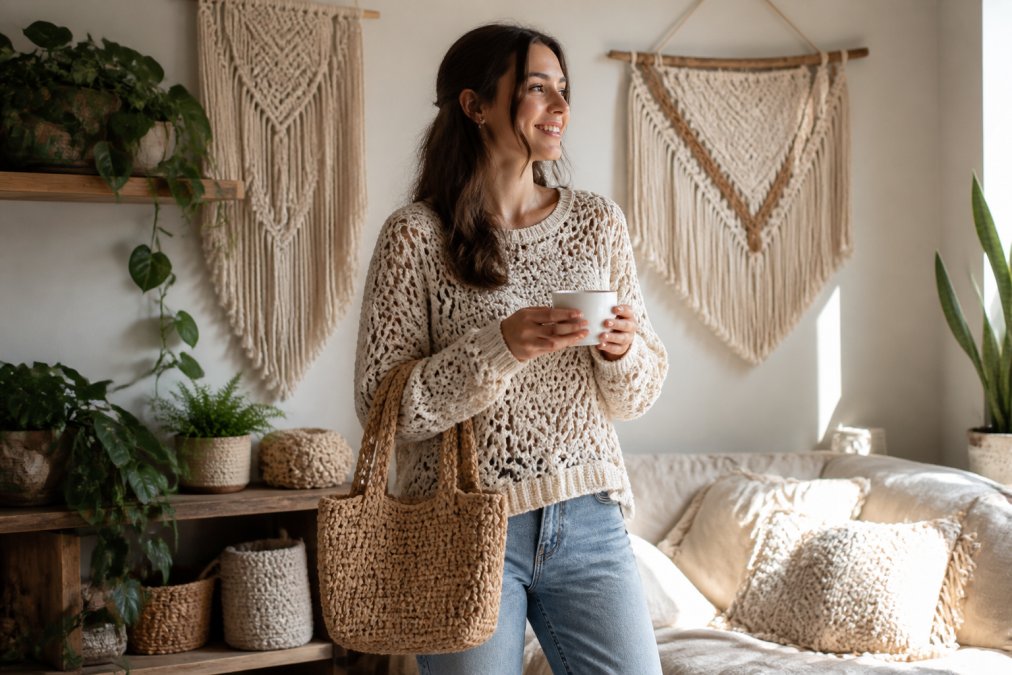
What works: Small-batch production means less textile waste than mass manufacturing, and each item is quality-checked by hand before it ships. Customers like Barb and Milli have left five-star reviews praising the construction of their purchases.
What doesn't: Because pieces are made to order, turnaround takes longer than a big retailer. If you need a gift in a hurry, plan ahead.
Patagonia: Recycled Materials and Lifetime Repairs
Patagonia built its reputation on recycled polyester, organic cotton, and a repair program that keeps worn gear out of landfills. Its Worn Wear service fixes damaged items instead of pushing you to buy new ones.
What works: Fair Trade Certified sewing and B Corp status give shoppers third-party verification, not just marketing claims.
What doesn't: Prices run higher than mass-market brands, and the style leans outdoor rather than everyday fashion.
Pact: Affordable Organic Cotton Basics
Pact focuses on GOTS-certified organic cotton basics, which means the fiber meets a recognized standard for organic farming and processing. Pricing starts around $20, making it one of the more accessible options on this list.
What works: Soft, chemical-free fabrics and Fair Trade factory partnerships.
What doesn't: The selection stays close to basics, so you won't find trend-driven styles here.
Eileen Fisher: Circular Fashion and Timeless Design
Eileen Fisher's Renew program takes back worn garments, resells them, and keeps usable clothing in circulation. The brand works with eco-certified fibers like TENCEL and organic linen, and it holds B Corp certification.
What works: Strong resale value and a genuine commitment to circular fashion.
What doesn't: Starting prices around $128 put it firmly in investment-piece territory.
Girlfriend Collective: Inclusive Sizing and Recycled Activewear
Girlfriend Collective turns recycled water bottles and fishing nets into leggings and bras, and offers sizing from XXS to 6XL. Its facilities are Fair Trade certified, and the brand runs a take-back program for old activewear.
What works: Genuinely inclusive sizing and durable performance fabric.
What doesn't: The focus on synthetic materials won't suit shoppers who prefer natural fibers.
The Benefits of Handmade Clothing: Quality, Comfort, and Lower Impact
The benefits of handmade clothing come down to three things: fewer pieces made, better materials used, and more care taken at each step. But "handmade" is also one of the most abused words in sustainable fashion, so it helps to know what actually separates a genuinely low-impact piece from a marketing label.
Quality. A handmade garment is typically built to be repaired rather than replaced. Seams are finished by hand, tension is adjusted per piece, and the maker sees the whole garment rather than one station on a line. That attention shows up in how long an item lasts.
Comfort. Handmade pieces often use natural fibers because they are easier to work with in small batches, which means less plastic against your skin and better temperature regulation.
Lower impact. Small-batch production generates less textile waste than mass manufacturing because makers cut to order rather than overproducing inventory that ends up discounted or discarded. There is also no warehouse full of unsold stock quietly aging.
The trade-offs are real. Handmade takes longer. Made-to-order pieces can take weeks, not days. Prices are often higher because labor is paid fairly rather than externalized. And not every handmade item is sustainable, a handmade garment made from conventional, chemically processed fiber still carries the same upstream impact.
How to verify a handmade claim:
- Ask what fiber was used and where it came from.
- Ask who made it and whether they are paid a living wage.
- Look for third-party certifications like GOTS or Fair Trade Certified rather than self-declared claims.
- Be skeptical of "handmade" on a mass-produced item, genuine small-batch production cannot scale to thousands of identical units overnight.
This is where a studio like Stitched Creations operates differently. Every piece is made in small batches with eco-friendly materials, quality-checked by hand before it ships, and designed for lasting comfort rather than a single season. Customers like Barb and Milli have left five-star reviews praising the construction of their purchases, the kind of feedback that comes from a maker who sees the finished piece, not just a quota.
End-of-life matters too. When a handmade piece finally wears out, natural fibers can often be composted or recycled through textile take-back programs, while synthetic blends are much harder to process. Choosing natural fibers at the start makes the end of a garment's life far less of a problem.
How to Build a Sustainable Capsule Wardrobe
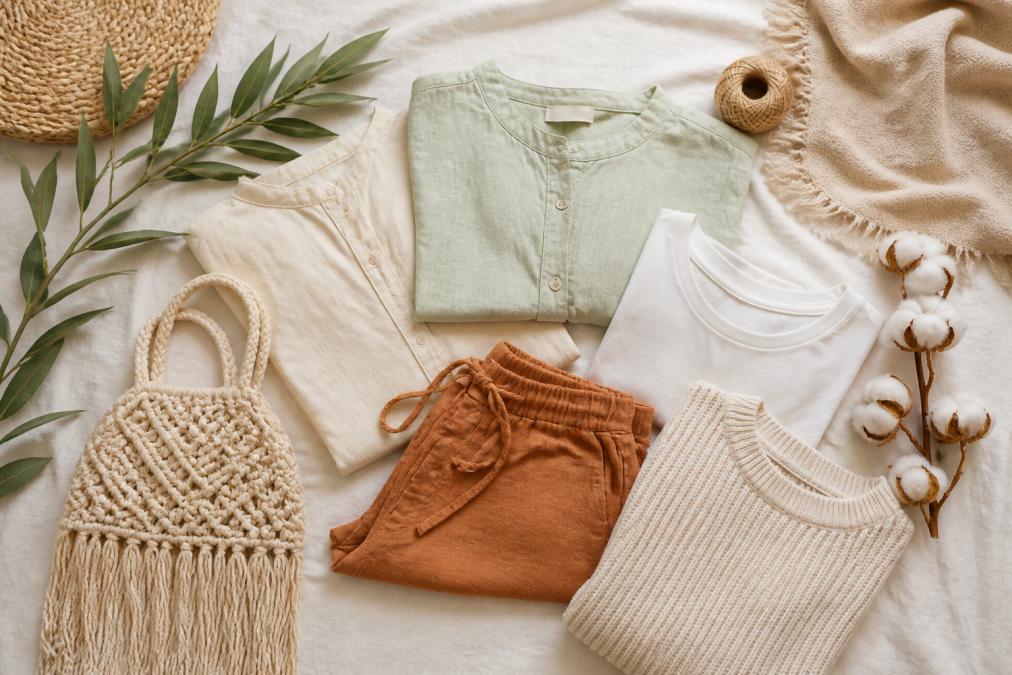
Building a sustainable capsule wardrobe means choosing a small set of versatile pieces you will actually wear for years, not just one season. The goal is not to own less for its own sake, it is to own pieces that earn their place every time you get dressed.
Start with a wardrobe audit.
A practical capsule framework:
- Audit what you already own. Count how many times you wore each item in the past year. Anything under five wears is a signal.
- Choose a tight color palette. Three to four neutrals plus two accent colors means almost everything mixes.
- Anchor with durable basics. Organic cotton tees, a good pair of jeans, and a layering piece you can wear three seasons.
- Add one handmade or investment piece. This is where a small-batch studio like Stitched Creations fits, a handmade crochet sweater or macramé bag becomes a signature piece rather than a disposable trend buy.
- Track cost-per-wear before every purchase. Divide the price by the number of times you realistically expect to wear it.
A capsule wardrobe is not about deprivation. It is about making every piece count, and that is exactly what small-batch, handmade production is built around.
Frequently Asked Questions
What makes a clothing brand truly eco-friendly?
A truly eco-friendly clothing brand uses sustainable materials like organic cotton or recycled polyester, ensures ethical manufacturing with fair wages, and minimizes its carbon footprint. Look for supply chain transparency and third-party certifications such as GOTS or Fair Trade Certified. Brands that offer repair programs or take-back schemes for garment longevity also demonstrate a real commitment to reducing textile waste.
How can I identify sustainable materials in women's clothing?
Check the label for sustainable fibers. These materials use less water and energy than conventional fabrics. Avoid synthetic blends when possible, as they shed microplastics. Certifications like GOTS or OEKO-TEX for non-toxic dyes provide assurance. If a brand lists vague terms like 'eco-friendly' without specifics, treat it as a red flag for greenwashing.
Why is handmade clothing considered more sustainable than mass-produced items?
Handmade clothing is often produced in small batches, which reduces overproduction and textile waste. Makers like Stitched Creations use eco-friendly materials and focus on durable construction, so garments last longer. The benefits of handmade clothing include lower carbon footprint from local production, support for ethical labor, and unique pieces that encourage mindful consumption. Each item is crafted with care, not churned out in a factory.
How does building a sustainable capsule wardrobe help the environment?
A capsule wardrobe focuses on fewer, higher-quality pieces that you wear regularly. This reduces the demand for fast fashion, which generates massive textile waste and carbon emissions. By choosing durable items from eco-friendly brands, you lower your cost-per-wear and environmental impact. Start by selecting versatile staples in neutral colors, then add handmade or certified sustainable pieces that reflect your personal style.
What should I do with clothes I no longer wear to support circular fashion?
Instead of throwing them away, explore end-of-life options. Many brands like Patagonia and Eileen Fisher have take-back or resale programs. You can also donate to local charities, sell on resale platforms, or upcycle fabrics into new items. For worn-out textiles, look for recycling programs that turn old garments into insulation or new fibers. This keeps clothing out of landfills and supports a circular economy.
The hardest part of shopping sustainably isn't finding brands. It's finding pieces you'll actually keep wearing. Stitched Creations makes small-batch handmade crochet and macramé goods with eco-friendly materials, durable construction, and thoughtful design meant to last beyond a single season. Shop Now to find a piece made with hands and heart.